
What’s Actually Holding Up Your Composite Deck? Learn About Your Deck Structure

When most homeowners picture a new deck, they’re imagining the finished product: the premium composite boards, sleek cable railings, and string lights at dusk. And honestly, that’s the fun part.

But what separates a deck that looks great for 20 years from one that starts sagging or rotting in five has almost nothing to do with the surface. It’s everything underneath it.

As a premier composite deck builder in Charlotte, we know that a luxury outdoor space is only as good as its framing. Here is a look at what actually goes into a well-built, code-compliant deck from the ground up.

It Starts in the Ground: Deck Footings and Piers

Every deck begins with how to connect the boards to the ground. In most Charlotte-area builds, that means concrete footings poured below the frost line, deep enough that seasonal ground movement doesn’t shift your structure over time.

But soil conditions in the Carolinas aren’t always cooperative. In areas with poor or unstable soil, we use helical piers instead. These are steel shafts mechanically driven deep into stable ground. While they are more involved than a standard concrete footing, they are the right call when the ground demands it. A deck is only as solid as its foundation, and this is one place where cutting corners shows up fast.

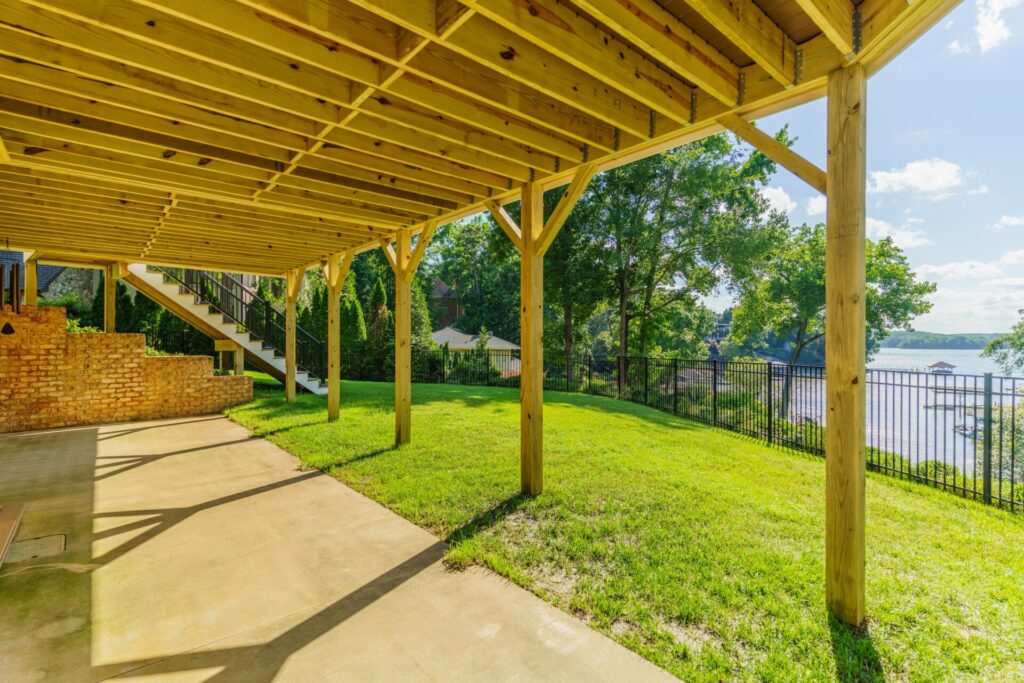
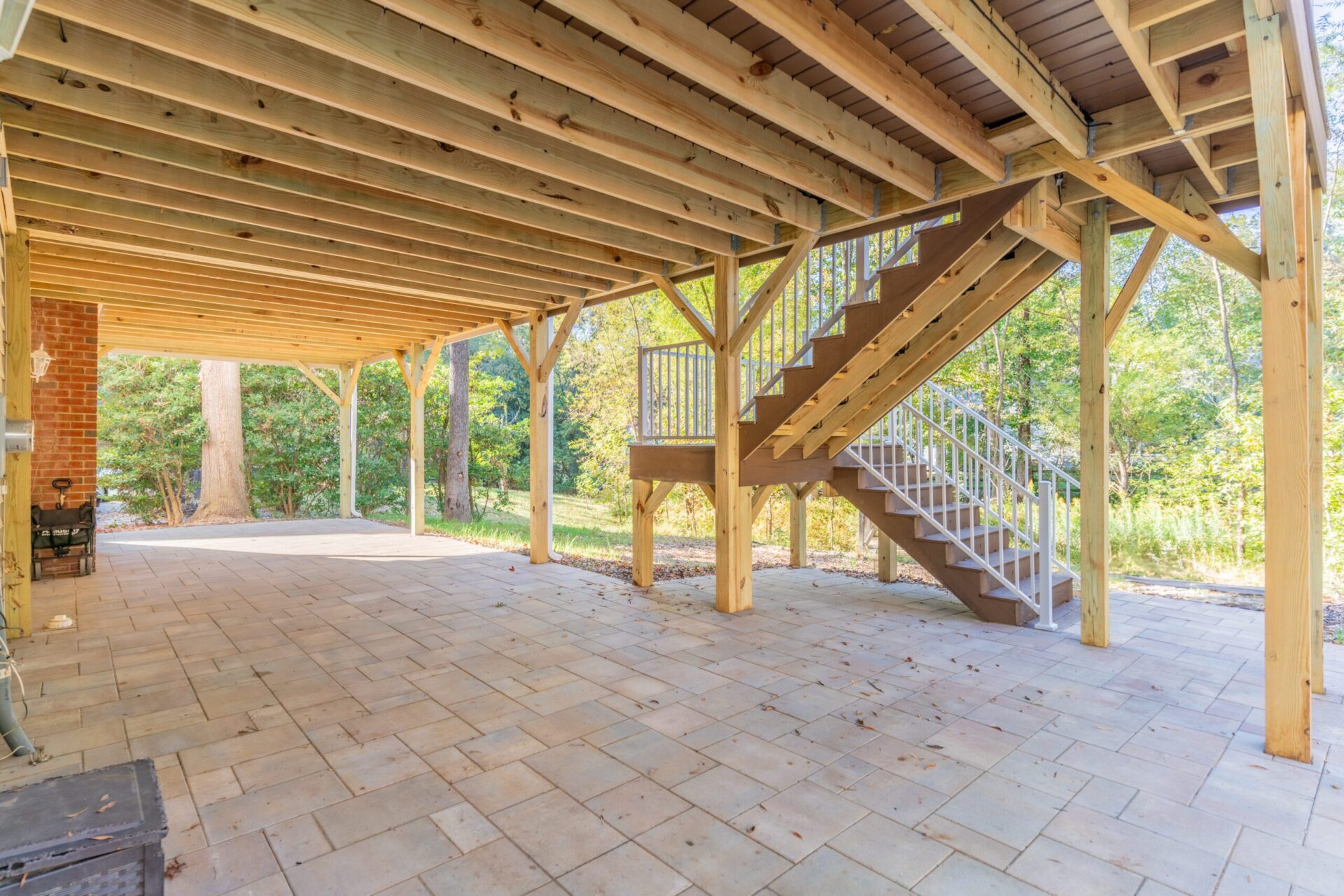
Posts, Beams, and Joists: The Structural Deck Framing

Once the footings are set, the structural framing goes up. Think of this as the skeleton of your build:

  • Posts: Transfer the weight and load from the deck down to the footings.
  • Beams: Span between the posts and carry the heavy lifting of the joists.
  • Joists: Run perpendicular to your decking boards; this is what your composite or wood boards actually fasten to.

The spacing, sizing, and lumber grade at every one of these levels is strictly governed by local North Carolina building codes and for good reason.

Local Code & Permits: We handle all deck permits across Mecklenburg, York, and Cabarrus counties. Every framing decision we make is engineered to pass inspection and built to last well beyond it.

The Ledger Board: Where the Deck Meets the House

For attached decks, the ledger board is one of the most critical structural connections in the entire build. It is the framing member that fastens your deck structure directly to your home’s rim joist.

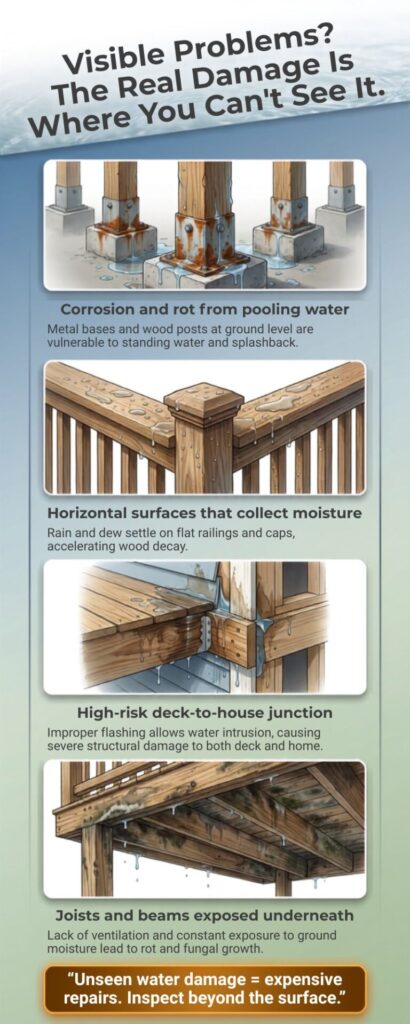
Unsurprisingly, it is also one of the most common places moisture damage and wood rot originate when it’s not detailed correctly. To protect your home, the following steps are non-negotiable:

  • Proper Flashing: Creating a waterproof barrier to divert rain.
  • Approved Fasteners: Using structural screws rather than standard nails.
  • Clean Connection: Ensuring a tight, seamless fit to prevent water from pooling.

Choosing a Decking Surface: Composite vs. Traditional Wood

This is where your material choice becomes visible. Whether you’re going with a premium composite brand like Trex or TimberTech, or a traditional painted porch floor, the surface boards are what you’ll live on.

In Charlotte’s humid climate, the installation details matter immensely. We utilize hidden fastener systems wherever possible. This results in:

  1. Cleaner sightlines with no exposed screw heads.
  2. No fastener holes for water to pool in, preventing long-term moisture degradation.
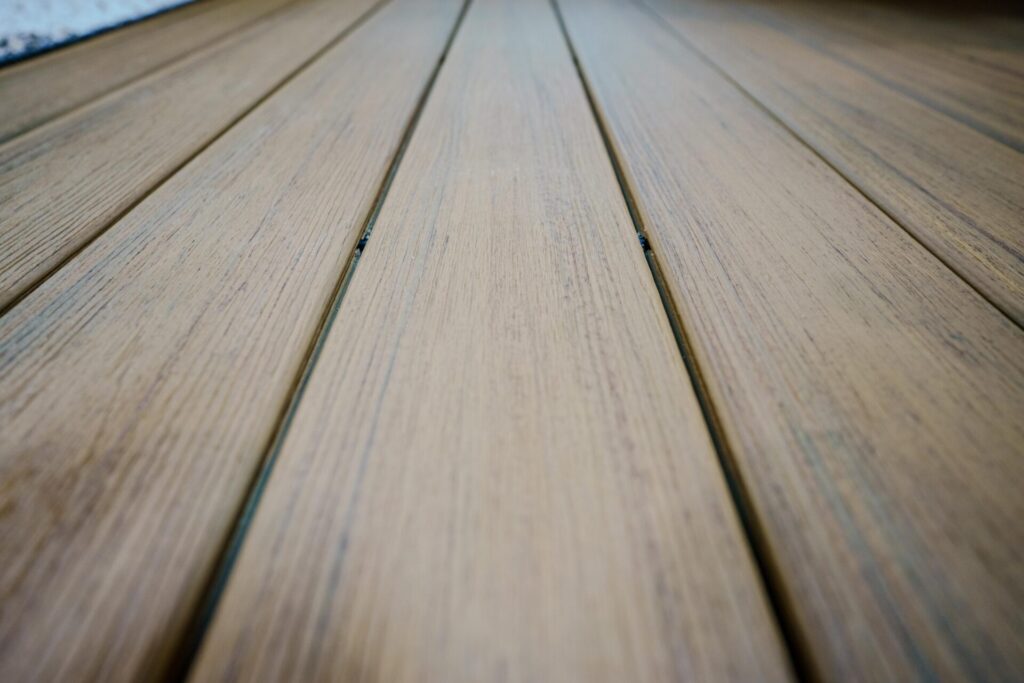
Close-up macro view of premium brown composite decking boards installed with a hidden fastener system, showing clean sightlines and zero exposed screws.

Railings: Merging Structural Safety with Design

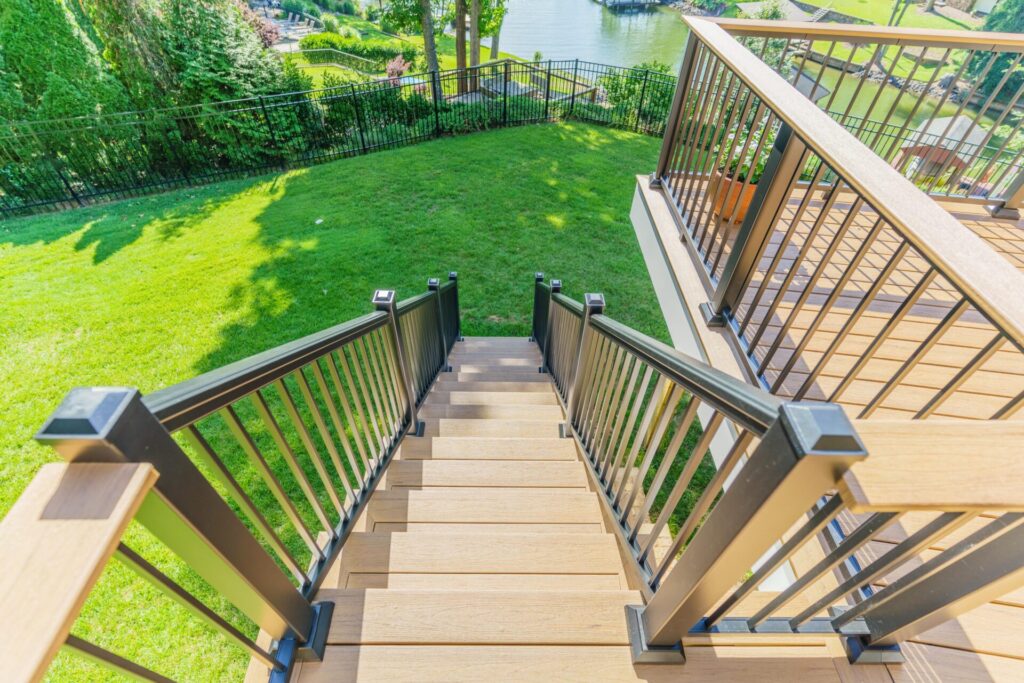
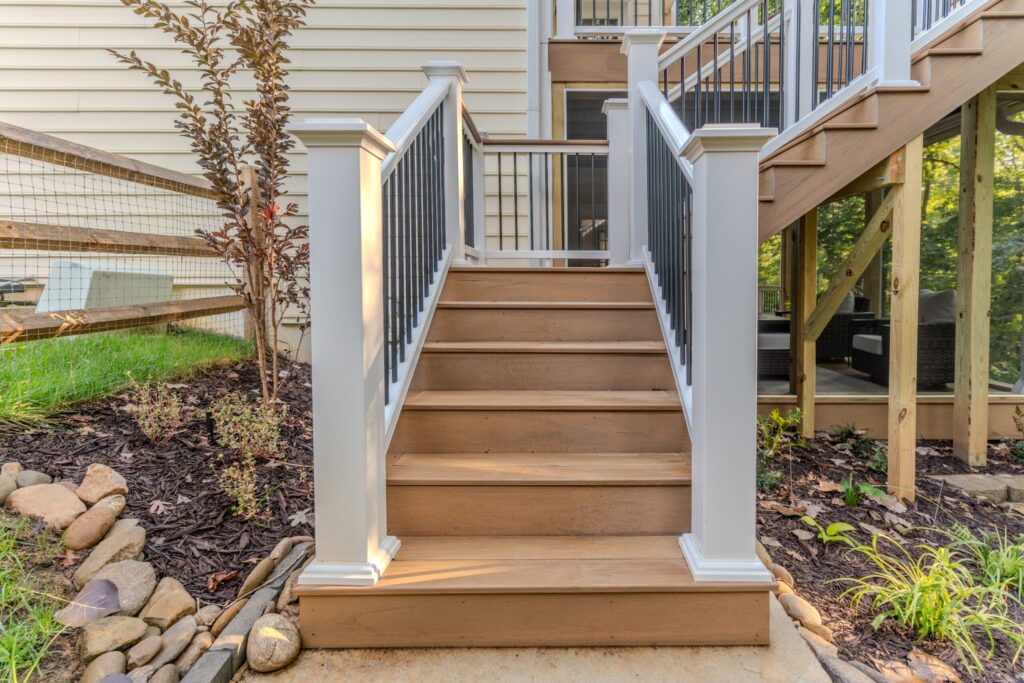
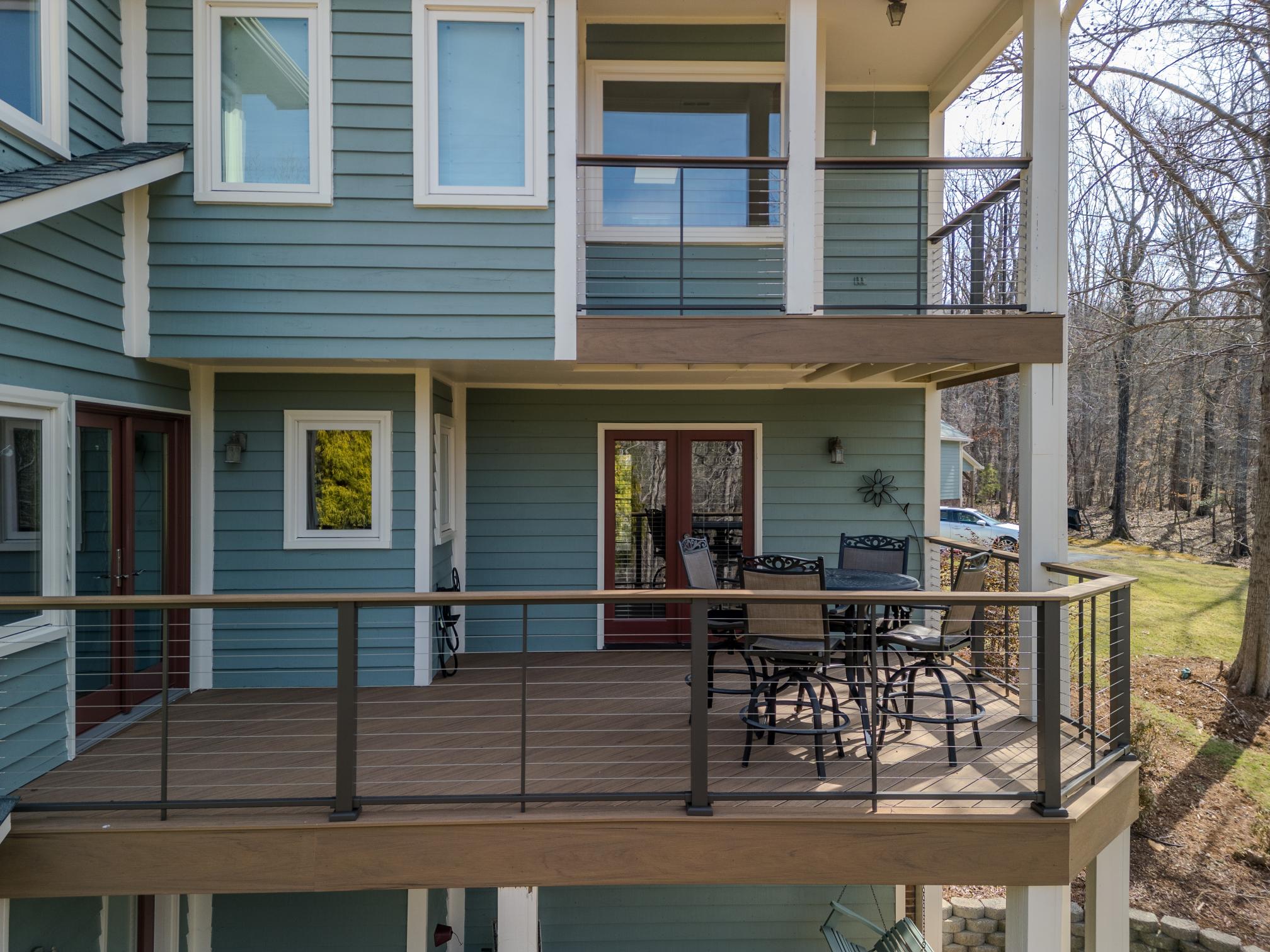
Deck railings do a major job structurally: they are required by building codes at certain heights and must meet strict load requirements. However, they are also the most design-forward element of your outdoor living space.

Railing TypeBest ForLongevity Benefit
Aluminum RailingModern/Classic LooksNo rot, no warping, 10–15 year maintenance-free cycle.
Cable Railing SystemsUnobstructed ViewsHigh durability, minimal visual profile.
Glass PanelsLuxury/WindbreaksMaximum visibility for pools or beautiful backyards.

Why This Matters for Your Charlotte Home Investment

A well-designed outdoor space in the Charlotte metro, whether you’re in Ballantyne, Lake Norman, Waxhaw, or Myers Park, yields a genuine return on investment. But that return entirely depends on the structural integrity of the build.

The surface is what your guests notice. The structure is what protects your money. When both are done right, you get a beautiful space that performs for decades without the slow-burn cost of deferred maintenance.

Ready to Build Right?

If you’re thinking about a new deck this season, we’d love to walk you through what a quality build looks like for your specific property. Book a free estimate with Carolina Decks today, and let’s start building from the ground up.

More questions? Take a deeper look at how Carolina Decks builds custom decks or read our previous blog post.

What Does a Deck Actually Cost in Charlotte? (And Why the Honest Answer Is: It Depends)


Often the first question on the mind for anyone looking to improve their outdoor space is quite simple: How much does it cost to build a deck in Charlotte, NC? But the answers a simple online search gives are all over the place. Is the right number $8,000, $25,000, $60,000? And, unfortunately for you, none of those estimates are technically wrong, which is exactly why the question is so hard to answer without context.

What we can tell you is what actually drives deck pricing, what corners cut today cost you more in Charlotte’s climate, and what you should expect at every level of investment. As trusted Charlotte deck builders, we craft every estimate with your criteria in mind and want you to be informed about what to budget for your dream project.

Understanding the Average Cost to Build a Deck (And the Deck Cost Per Square Foot)

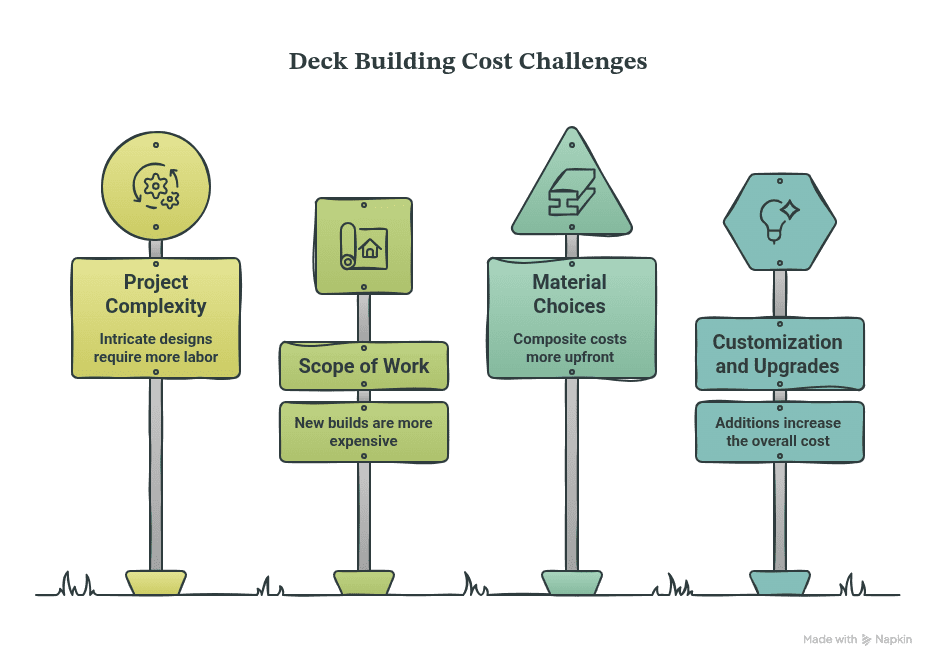
Every deck quote looks different because every deck is different. Four factors move the number more than anything else.

Project complexity is the biggest one. A straightforward 12×12 platform deck with standard railings is a fundamentally different job than a multi-level build with custom angles, a significant grade drop, or integrated stairs. The more intricate the design, the more labor and precision it requires and that’s reflected in the final cost. 

Scope matters just as much. A resurfacing project, replacing boards and railings on a substructure that’s still solid, starts around $6,600 for a 10×10 deck. A new composite deck with handrail and steps starts around $15,000 for the same footprint. A new porch starts around $20,000 for the roof and structure. These aren’t arbitrary numbers; they reflect real differences in the size and complexity of what’s being built. For reference, quality composite builds in Charlotte typically run $30–60 per square foot installed. That range reflects real differences in materials, complexity, and craftsmanship.

Material choices shift both upfront cost and long-term cost. Pressure-treated wood is less expensive on day one. Composite and PVC cost more upfront and significantly less over time with no refinishing, no rot, and no staining every few years. In a climate like Charlotte’s, where humid summers and occasional winter freezes work on wood year-round, that math matters more than it does in drier markets.

Customization and upgrades complete the picture. Deck lighting, privacy screens, outdoor kitchens, pergolas, and firepits add real cost and real value. Some of them also add meaningfully to resale value, which is worth weighing when you’re scoping the project.

The Case for Spending on Quality in the Carolinas

Here’s what most homeowners don’t fully account for until they’re a few years in: Charlotte’s climate is genuinely hard on outdoor structures. The combination of summer humidity, UV exposure, and winter freeze-thaw cycles accelerates wear, especially on wood. Splinters and fading are the visible problems. The more common culprits are subtler: the top rail board and post caps that collect standing water and rot from the inside, the post bases where moisture gets trapped against hardware, the places damage builds quietly until it becomes a safety issue or a full replacement.

Carolina Decks specializes in premium materials: composite decking, aluminum railings, quality hardware. These products cost more upfront because they’re engineered to protect your investment over the long haul. A powder-coated aluminum railing won’t rot, warp, or need refinishing for 10 to 15 years. A quality composite deck board holds its color and structure without annual sealing. You get a beautifully designed deck that hold its value year after year without costly maintenance.

Run the honest 10-year math. Add up the lower upfront cost of pressure-treated wood, then add annual maintenance time, refinishing every three to five years, and the real possibility of post or board replacement somewhere in the middle and the perceived savings evaporate quickly. For most homeowners, quality materials cost less over a full ownership window. The exception is if you genuinely enjoy hands-on seasonal maintenance and the natural wood look is non-negotiable. That’s a valid call, and we’ll support it either way.

What to Expect at Each Level

If your existing deck structure is in solid shape, resurfacing is a viable option. You can get new boards, updated railings, and modern touches, all without the cost of a full rebuild. Starting around $6,600 for a 10×10, it’s the highest-value entry point for homeowners whose substructure has held up. Not sure whether your existing structure qualifies? It’s one of the most common questions we get. The short answer: it depends on the condition of your subframe, posts, and hardware and it’s something we assess during your consultation.

A new composite deck (using premium brands like Trex or TimberTech) is the most common build we do. Standard sizes run 12×12 or 12×16, fully customizable by layout and material. Starting around $15,000 for a 10×10 with handrail and steps, this is where most homeowners land when they want a durable, low-maintenance outdoor space that performs for the long haul.

A new porch, whether you want an open-air layout, a classic screened porch, or an EzeBreeze three-season room, starts around $20,000 for the roof and structure added to an existing deck or patio. If you’re building the porch and the deck together, budget for each component separately. Porches add year-round usability and consistently rank among the highest-return outdoor upgrades.

Our custom porch builds can go even further: multi-level layouts, retractable screens, infrared heaters, vaulted ceilings, integrated hardscaping. We love to design for homeowners who want the space to feel like a genuine extension of the house. We handle all building permits on your behalf across Mecklenburg, York, and Cabarrus counties, so whether you’re building in Lake Norman, Fort Mill, Waxhaw, Matthews or the rest of the Charlotte metro, it’s never something you need to manage.

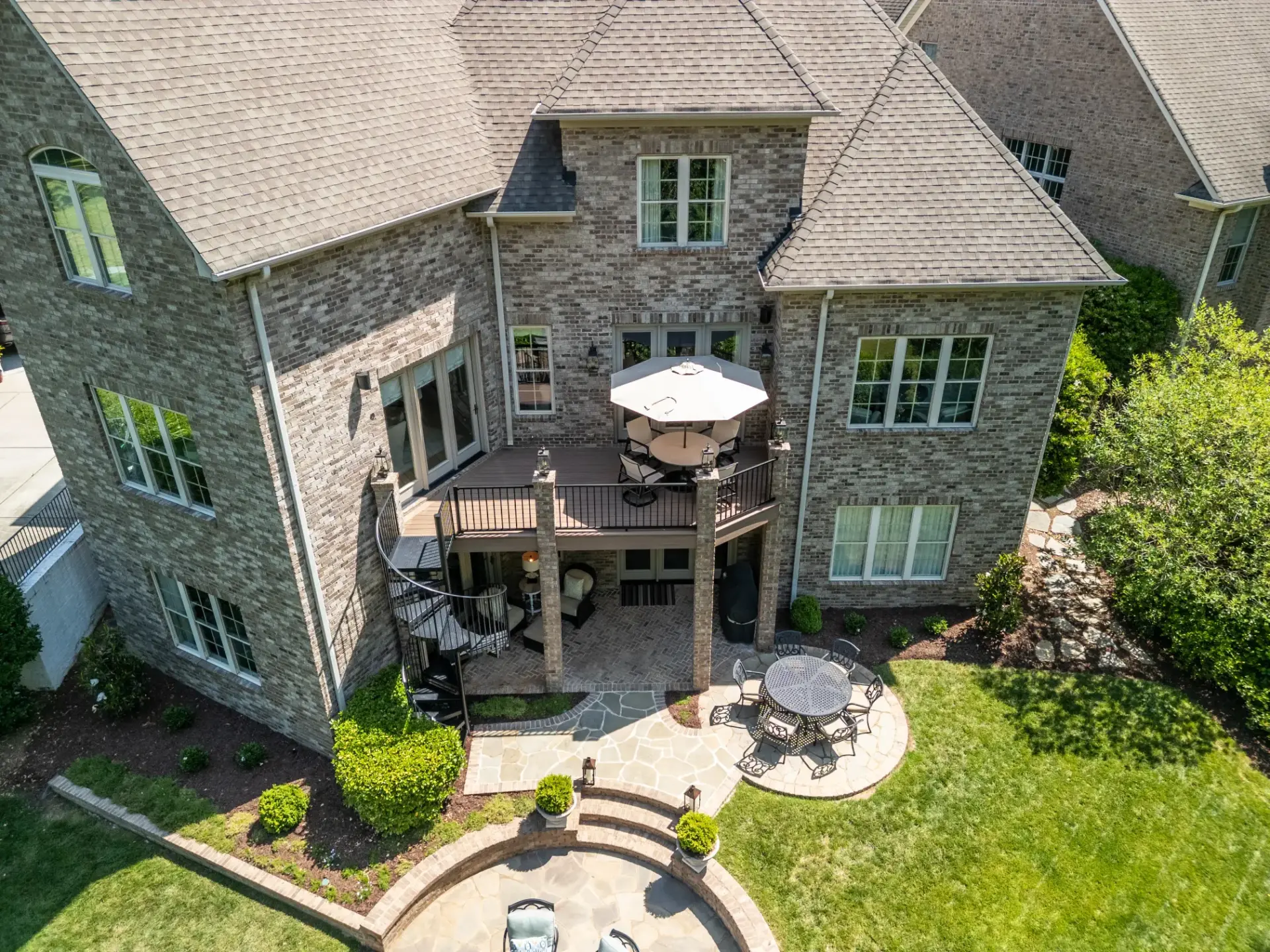
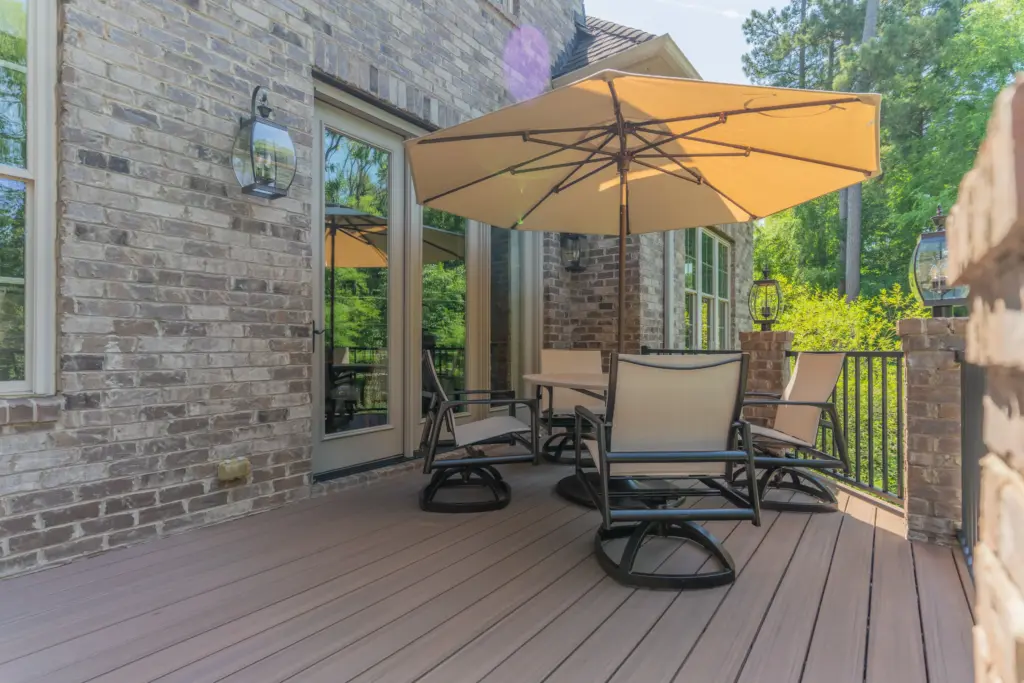
Close-up view of premium TimberTech Black Walnut composite decking boards installed on an elevated brick home's back deck with patio furniture and an umbrella.

How We Handle Pricing

Every project starts with a consultation where we learn your goals, take site measurements, and come back with a tiered proposal so you can see real options at different price points before committing to anything. We walk you through photos of past work so you can see what’s possible at different levels, give you clear proposals with options so you can choose what fits your priorities and budget, and adjust scope or materials if something needs to change, without compromising what makes the build worth doing.

We work with a wide range of budgets. Whatever you’re dreaming for your backyard, we’ll give you a straight answer on what’s possible and what we’d actually recommend for your specific situation. And if budget timing is a factor, we offer financing so you can build now and pay over time.

If you’re dreaming of a new deck this summer, now is the time to get on the schedule. Book a free estimate or call us at (980) 414-0320.
Looking for more pricing information? Check out our handy Pricing Guide or get real cost ranges for projects in our Gallery!

And for a real Carolina Decks project, read our previous blog post.

Spring 2026 Backyard Graduation Party Ideas for Charlotte Families

Charlotte in May and early June is about as close to perfect outdoor weather as you’ll find anywhere. Look forward to warm evenings with the days still long enough to make a backyard gathering feel unhurried. If your family has a graduation this spring, an outdoor party is the obvious move. Here’s how to make it work.


Think in Zones, Not One Big Open Space

The instinct with a larger party is to just push everything to the edges and let people spread out. A better approach is to think in three distinct zones: a food and serving area, seating for guests who want to settle in, and open space for mingling and movement.

A well-designed deck or patio handles the first two naturally. It gives you a defined, level surface for your serving table and a place to anchor comfortable seating for older guests who don’t want to stand for two hours. The open yard becomes the flow zone: keep it clear, and the party moves the way you want it to.

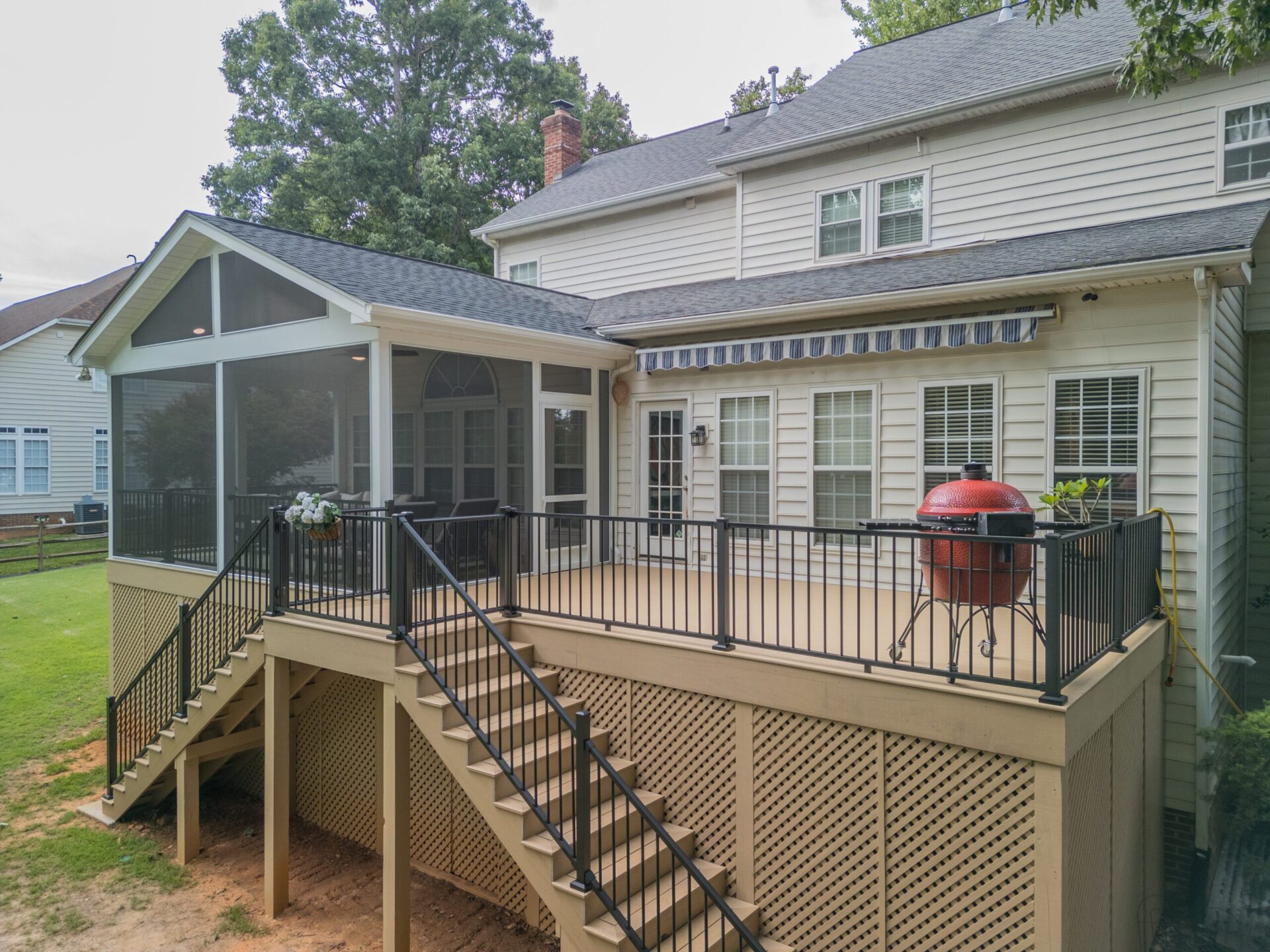
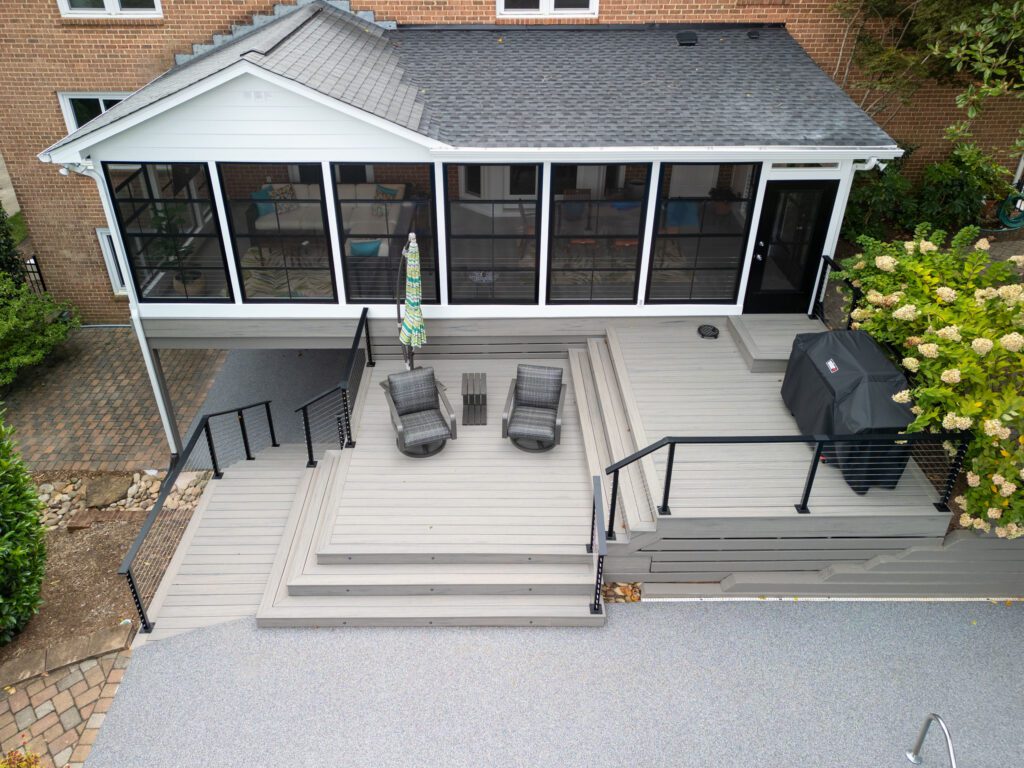
If you have a screened porch, use it. It becomes the quiet room, cooler, bug-free, and a natural gathering spot for guests who want a real conversation without competing with the crowd. A screened outdoor living space earns its keep on a day like this.


The One Thing Most Charlotte Hosts Forget: Shade and a Rain Backup

This is the one that catches people off guard every year. Charlotte’s May afternoons can reach the mid-80s, and late-day pop-up storms are a real feature of spring in the Carolinas, not a rare exception.

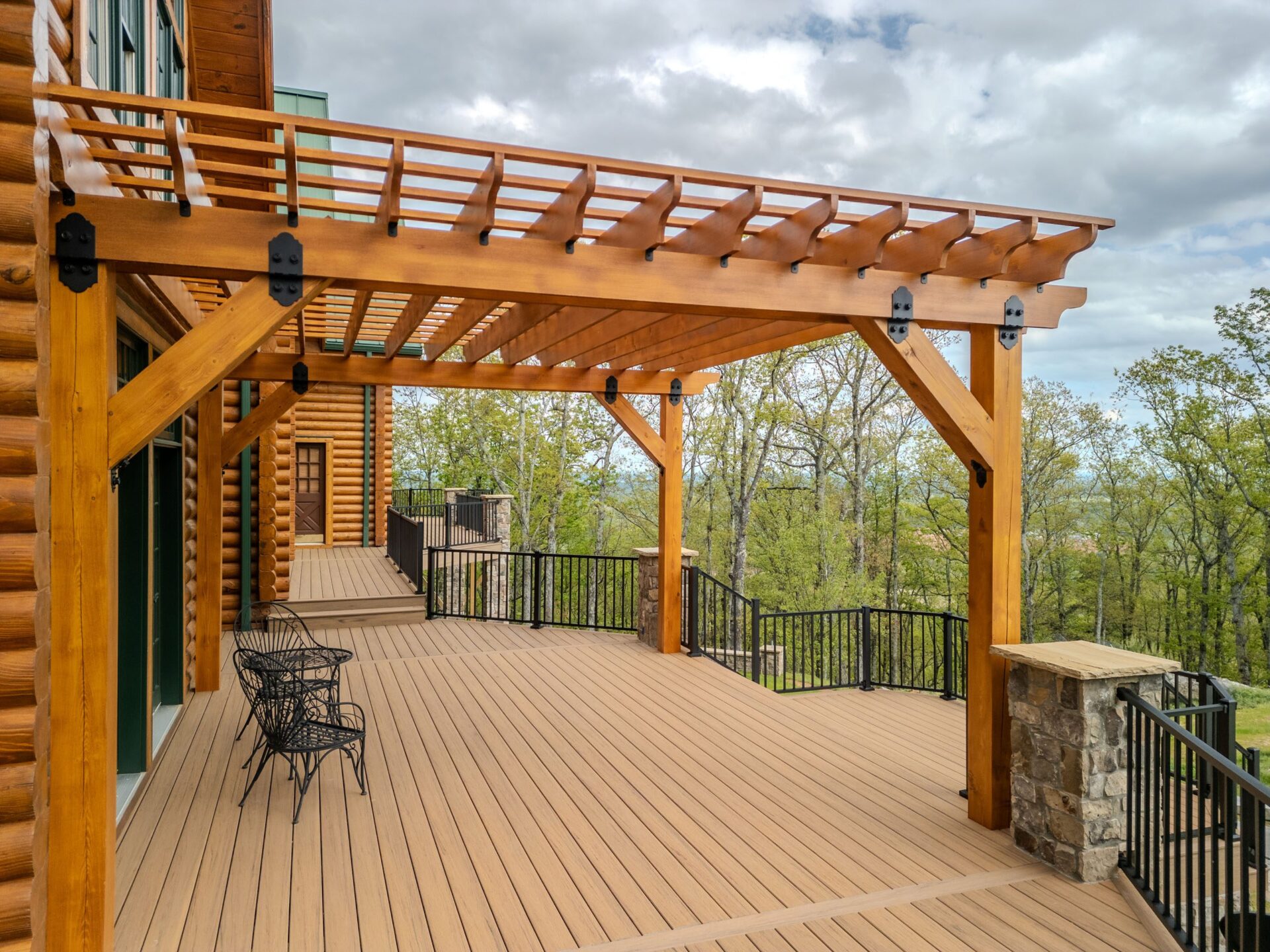
Shade matters more than most hosts plan for. A covered structure (a pergola, a porch roof, even a well-positioned sail shade) keeps the food table out of direct sun and gives older guests a place to sit comfortably without retreating inside.

For rain, have a plan before the day arrives. A covered outdoor space means the party continues regardless of what rolls through. If you don’t have a permanent covered structure, rent a 20×20 canopy tent and set it up the day before, not the morning of, so you’re not scrambling while guests are arriving. Position it to preserve the natural flow between your deck and the yard rather than blocking it.


Making Your Deck Work for a Crowd

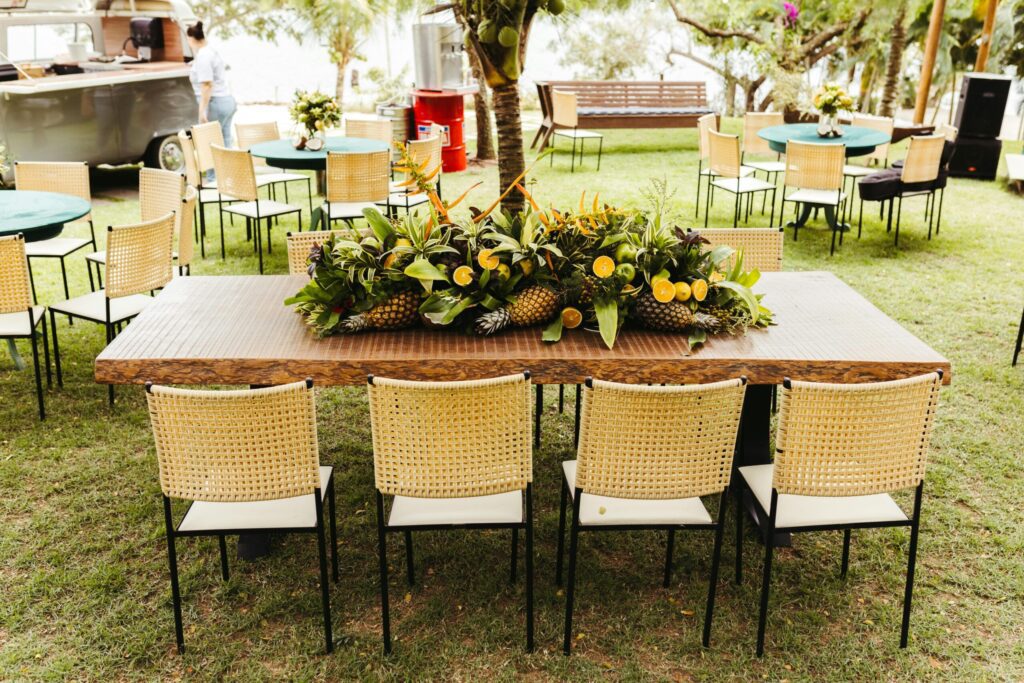
A deck that comfortably seats eight can accommodate twenty or more people when it’s set up right. Clear the furniture you don’t need. A custom deck with open railing and clean sightlines feels expansive with people on it; one that’s crowded with patio sets feels cluttered.

A few details that make a real difference:

  • String lights run along a pergola or railing immediately shift the atmosphere as the evening moves in. It’s the single highest-return detail for an outdoor party.
  • An outdoor rug anchors the seating area and signals intention. A rug makes the space feels designed rather than assembled.
  • Flow from the kitchen matters more than most hosts realize until they’re on their fourth trip across the yard carrying a tray. The fewer steps between food prep and the serving table, the better your experience as a host.

This Might Be the Year

If you’re deep in graduation party planning right now, there’s a good chance you’ve already had the thought: This backyard could be so much more than this.

Maybe it’s watching guests bunch up on a small concrete slab. Maybe it’s realizing a covered pergola would have solved the whole rain problem before it started. Or maybe it’s just standing outside after everyone leaves and thinking next year is my year.

Spring projects booked in April can often be finished before summer. Custom deck builds and screened porch additions take planning, and the best build windows in the Charlotte metro fill up faster than most homeowners expect. You don’t have to watch another season go by from the same backyard.

If you’re thinking about making next year’s party, and next summer’s weekends, look completely different, we’d love to talk. A free estimate takes about 30 minutes, and we’ll give you an honest picture of what’s possible and what it costs.

Book your free estimate here or give us a call at (980) 414-0320. We work with families across Charlotte, Lake Norman, Matthews, and the surrounding communities.
Looking for more design inspiration? Check out our Project Gallery or read our previous post.

Change Orders in Deck & Porch Projects: What Homeowners Should Know

If you’ve ever worked with a contractor, you’ve probably heard the term “change order.” For many homeowners, it brings to mind surprise costs and frustration. (Fun fact: there’s a yacht named Change Orders—which says a lot about how profitable they can be for the wrong kind of builder.)

At Carolina Decks, our goal is simple: we don’t want you to be surprised by change orders.

How We Keep Pricing Clear Up Front

We believe in transparent, detailed proposals so you know what you’re signing off on. Here’s how we build clarity into every deck or porch project:

  • Design & Pre-Construction – We work through the details in advance so nothing big is left to chance.
  • Selection Documents – Materials, finishes, and upgrades are chosen before the job starts, so expectations are clear.
  • Thorough Proposals – Our scope of work is carefully written to cover the full project, not just the bare minimum.

Why Change Orders Happen with Other Contractors

Unfortunately, not every builder takes the same care. Many change orders come from issues that could have been prevented with better planning up front, such as:

  • Vague proposals without clearly defined features and scope
  • Underestimating materials or labor
  • Not anticipating code and inspection requirements
  • Overlooking site-prep or structural adjustments

These are the kinds of headaches we work hard to prevent.

When Change Orders Are Legitimate

That said, some conditions truly can’t be predicted until construction is underway. In those rare cases, a change order protects both the homeowner and contractor by clearly documenting the adjustment. Examples might include:

  • Soil issues – discovering unstable ground that requires helical piers or extra support
  • Electrical limitations – an existing panel that can’t handle the new load for added lighting or outlets
  • Hidden conditions – things underground or behind walls that weren’t visible before work began

These situations are the exception, not the rule—but when they arise, we address them openly and fairly

Bottom Line

At Carolina Decks, we don’t treat change orders as a profit center. Our priority is giving homeowners confidence that their deck or porch addition will be built on budget and without surprises. To make planning even easier, we offer a free pricing guide to help you start visualizing your space and the features you’d like to include.”

Ready to start planning your outdoor space? Contact Us to schedule your free estimate. We’ll talk through your project and show you how our process keeps things clear from day one.

Why You Need a Professional Over a DIY Pergola Kit

Charlotte homeowners are investing more than ever in outdoor living. Pergolas are showing up in backyards from Ballantyne to Plaza Midwood, and it’s easy to see why. A thoughtfully designed pergola adds character, comfort, and usable square footage to your outdoor space. But as interest grows, so does the temptation to take the DIY pergola kit route.

Big-box pergola kits promise quick results at a fraction of the price. But what often starts as a weekend project can spiral into weeks of frustration, and a finished product that doesn’t quite live up to the promise.

At Carolina Decks, we’ve seen it firsthand. As seasoned pergola builders serving Charlotte NC, we’ve helped dozens of homeowners fix, replace, or upgrade DIY pergola kits that didn’t work out. We’re not just here to build; we’re here to guide you through a smart, lasting investment.

The True Costs of DIY Pergola Kits

At first glance, DIY pergola kits look like a bargain. But the price tag rarely tells the full story.

You might save money on materials upfront, but long-term expenses often creep in: warped wood, poor drainage, misaligned posts, or fasteners that rust after the first Carolina rainstorm. And if your pergola doesn’t meet local codes or isn’t anchored properly, you could face fines, or worse, a structure that becomes unsafe over time.

We’ve met homeowners who spent weeks assembling a kit, only to realize it didn’t quite fit the space or feel secure enough to use confidently. That’s a frustrating outcome after pouring in your time, money, and elbow grease.

Why Work With Professional Pergola Builders

Working with a professional team like Carolina Decks means more than just hiring labor. It means unlocking a process that’s been refined through years of building outdoor living spaces across the Charlotte region.

We start by understanding your home, your lifestyle, and the way you actually want to use your space. That might mean integrating privacy panels, installing a pergola cover, mounting fans or heaters, or designing around existing trees or hardscapes. DIY kits can’t offer that kind of flexibility.

Our materials are built to last. We don’t cut corners with fasteners, coatings, or framing. Our teams are trained to build with both function and finish in mind. And behind the scenes, we handle the permits, site work, and code compliance so you don’t have to. That’s peace of mind and saved weekends.

A pergola should never feel like a compromise. When it’s done right, it becomes a true extension of your home.

Custom Pergolas for Charlotte NC Homes

Charlotte’s climate is a story of extremes. Hot summers, surprise storms, and tree-filled neighborhoods mean every pergola needs to be thoughtfully engineered.

Whether you’re in a classic brick colonial in SouthPark or a new build in Fort Mill, your pergola should complement your home’s aesthetic, not fight it. That’s why we customize every project from the ground up. Want to pair your pergola with an outdoor kitchen? Need integrated lighting or privacy fencing? We design for that.

We’re proud to be local. We know the codes, the soil conditions, and even the HOA quirks in different communities. You won’t get that from a flat-pack kit shipped from halfway across the country.

Why Professional Installation Wins

A pergola is more than a shade structure. It’s an invitation to slow down, entertain, and live outdoors. When built right, it enhances both the beauty and value of your home.

DIY kits promise fast results, but they rarely deliver the kind of quality, safety, and integration that a professional team can provide. From custom design to code-compliant builds, working with a local expert like Carolina Decks means making a smart, lasting investment in your home.

Ready to upgrade your backyard with a stunning custom pergola?

Contact Carolina Decks, your expert pergola builders serving Charlotte NC, and let’s bring your vision to life.

Choosing an Outdoor Living Contractor: 7 Must-Have Qualities

Hardscaping is the backbone of luxury outdoor living. From elegant patios to custom fire pits, these permanent installations not only elevate your home’s curb appeal but also provide unmatched enjoyment and value. Hiring the right outdoor living contractor ensures your investment delivers on durability, design excellence, and return on investment. With a clear checklist in hand, homeowners can confidently choose a partner they trust to transform their backyard dreams into reality.

Why Choosing the Right Outdoor Living Contractor Matters

Outdoor living projects—decks, porches, patios, fire features, and more—are permanent structures. They carry a hefty price tag and define your property’s long-term value. Even small mistakes in design, grading, structural support, or materials can lead to expensive repairs and safety risks down the road. Conversely, the right outdoor living contractor brings:

  • Design vision that blends aesthetics with functionality
  • Technical skill to execute complex hardscaping and structural elements
  • Local expertise to navigate Charlotte-area climate and permitting requirements

By vetting contractors carefully, you safeguard your home—and your wallet—against costly missteps.

Seven Key Qualities to Look For in an Outdoor Living Contractor

1. Local Knowledge & Experience

An outdoor living contractor with deep roots in the Charlotte area understands region-specific challenges like clay soil, freeze-thaw cycles, and local permitting processes. They’ll recommend materials and grading solutions that stand up to our hot, humid summers and occasional winter freezes.

2. Licensing, Insurance & Credentials

Always verify that your contractor holds a valid state license for hardscaping and general contracting. Confirm they carry liability insurance and workers’ compensation coverage. This not only ensures professional standards but also shields you from liability should accidents occur on your property.

3. Portfolio of Past Work

A robust project gallery allows you to assess craftsmanship, material choices, and design versatility. Look for high-quality photos of patios, walkways, retaining walls, outdoor kitchens, pergolas, and custom fire features. Pay attention to finished details—clean grout lines, level surfaces, and humane scale.

4. Design Support & Customization

Top contractors aren’t just installers; they’re design partners. Ask if they offer 3D renderings or digital planning tools so you can visualize the layout, materials, and lighting before construction begins. A collaborative approach ensures your vision is woven into the final plan.

5. Reviews, Testimonials & Word of Mouth

Client feedback provides invaluable insight into reliability, communication, and work quality. Seek out online reviews on Google, Houzz, and social media. Don’t ignore red flags—unresolved complaints, sporadic communication, or hidden fees signal potential headaches.

6. Quality of Materials & Warranty

Superior materials cost more upfront but deliver lasting performance. Inquire whether the contractor sources stone, pavers, and timber locally or from reputable national suppliers. Understand what their workmanship and material warranties cover, and clarify how repair requests are handled post-installation.

7. Communication & Professionalism

A professional team sets clear timelines, delivers organized, transparent estimates, and responds promptly to questions. From the initial consultation to final walkthrough, look for a contractor who listens attentively, educates you on options, and sets realistic expectations.

Why an Outdoor Living Specialist Is a Smarter Hire

While many general contractors offer outdoor services, a true outdoor living contractor specializes in full-scope backyard transformations. They can seamlessly integrate patios, pergolas, lighting, irrigation, and custom features like fire pits or built-in grills. This multi-service approach ensures consistent design language, streamlined timelines, and single-point accountability—eliminating the need to juggle multiple subcontractors.

Choosing the right outdoor living contractor isn’t just about price—it’s about partnering with a licensed, insured, and locally experienced team that brings design creativity, technical precision, and open communication to every project. By using the seven qualities above as your hiring framework, you’ll avoid costly mistakes and ensure your outdoor living space stands the test of time.

Ready to elevate your backyard into an oasis of luxury and comfort? Schedule a consultation with Carolina Decks’ outdoor living experts today and take the first step toward creating the outdoor sanctuary you deserve.

How to Clean Composite Decking

Maintaining your composite deck is easier than you might think. Whether you’re enjoying a quiet evening outdoors or hosting a lively gathering, keeping your deck clean not only boosts its aesthetic appeal but also extends its life. As your deck experts in Charlotte, NC, we’ll show you how to clean composite decking in a few simple steps, so that you can enjoy a beautiful outdoor space with less effort.

how to clean composite decking

Understanding Composite Decking

Composite decking is an innovative material made from a blend of wood fibers and recycled plastics. It’s designed to mimic the natural look of wood while providing enhanced durability and longevity, making it a popular choice for homeowners.

Why Cleaning Your Composite Decking Is a Breeze

Cleaning composite decking is incredibly simple, meaning you can easily keep your outdoor space looking fresh. The process is straightforward and non-intimidating: an occasional pressure wash or general cleaner goes a long way to keep your deck in tip top shape. The beauty of composite material is that it’s incredibly forgiving when it comes to everyday dirt and grime. Regular cleaning helps preserve its vibrant color and finish, ensuring that your deck remains a welcoming, safe, and enjoyable environment.

Step-by-Step Guide: How to Clean Composite Decking

Step 1: Preparation

Clear the Area: Remove any furniture, potted plants, and other objects from the deck.
Sweep Off Debris: Use a broom to sweep away loose dirt, leaves, and other debris.

Step 2: Rinsing

Initial Rinse: Use a garden hose to rinse the deck thoroughly, which helps to remove any surface dirt.

Step 3: Cleaning Solution

Mix the Cleaner: Prepare a solution by mixing a mild detergent or a specialized composite deck cleaner with water. We recommend using the Timbertech cleaner for best results.
Application: Evenly apply the cleaning solution across the deck’s surface.

Step 4: Gentle Scrubbing

Work the Solution: Using a soft-bristle brush or mop, gently scrub the deck to allow the solution to break down dirt and grime without damaging the composite material.

Step 5: Rinse Again

Thorough Rinse: Rinse off the cleaning solution completely using your garden hose or a pressure washer set on a low-pressure setting. This ensures no residue remains that might cause streaking or discoloration.

Step 6: Drying & Final Check

Let It Dry: Allow your deck to dry completely before replacing any furniture or decorative items.

Expert Tips & Common Mistakes to Avoid

Do:

Routine Cleaning: Make cleaning a regular part of your deck maintenance to prevent dirt buildup.
Use Gentle Cleaners: Stick to non-abrasive, mild cleaning agents to protect the composite surface.

Don’t:

High-Pressure Washing: Avoid using high-pressure washers as they can damage the composite material.
Harsh Chemicals: Steer clear of strong chemicals like bleach that may discolor or deteriorate the deck.

Additional Advice:Seasonal Care: Consider seasonal cleaning routines to adapt to changing weather conditions.
Proper Storage: Keep your cleaning tools in a dry, accessible spot so they’re ready for use whenever needed.

Frequently Asked Questions on How to Clean Your Composite Decking

Can I use bleach on composite decking?
No, it’s best to avoid bleach as it can discolor the deck and potentially damage the composite material. 

How often should I clean my composite deck?
Due to the low-maintenance nature of the material, routine cleaning every few months is typically sufficient.

What are the signs that my deck needs cleaning?
Look out for visible dirt buildup, a dull appearance, or the formation of mold and mildew. A regular inspection will help you catch these issues early.

Cleaning your composite decking is a simple, manageable task that can significantly enhance both its appearance and durability. By following the easy steps outlined above, you can keep your deck looking vibrant and inviting all year long. If you need further assistance or prefer professional cleaning services, don’t hesitate to reach out to Carolina Decks for expert advice.

Embrace the ease of maintaining a beautiful, clean deck and enjoy your outdoor living space to the fullest. Remember, a little regular care goes a long way!