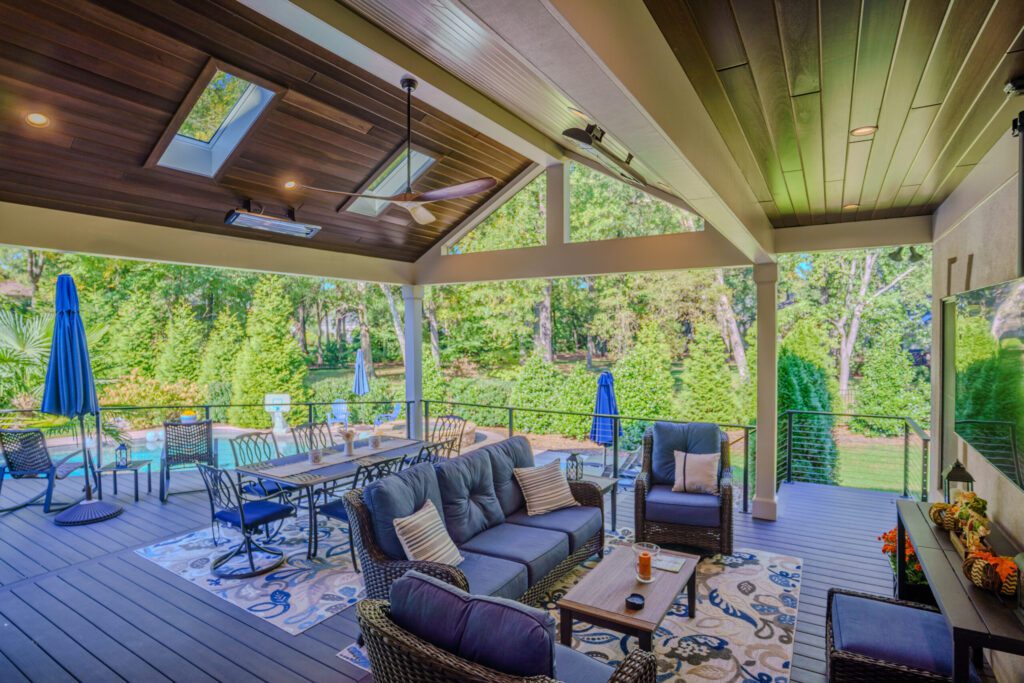

Why You Need a Professional Over a DIY Pergola Kit

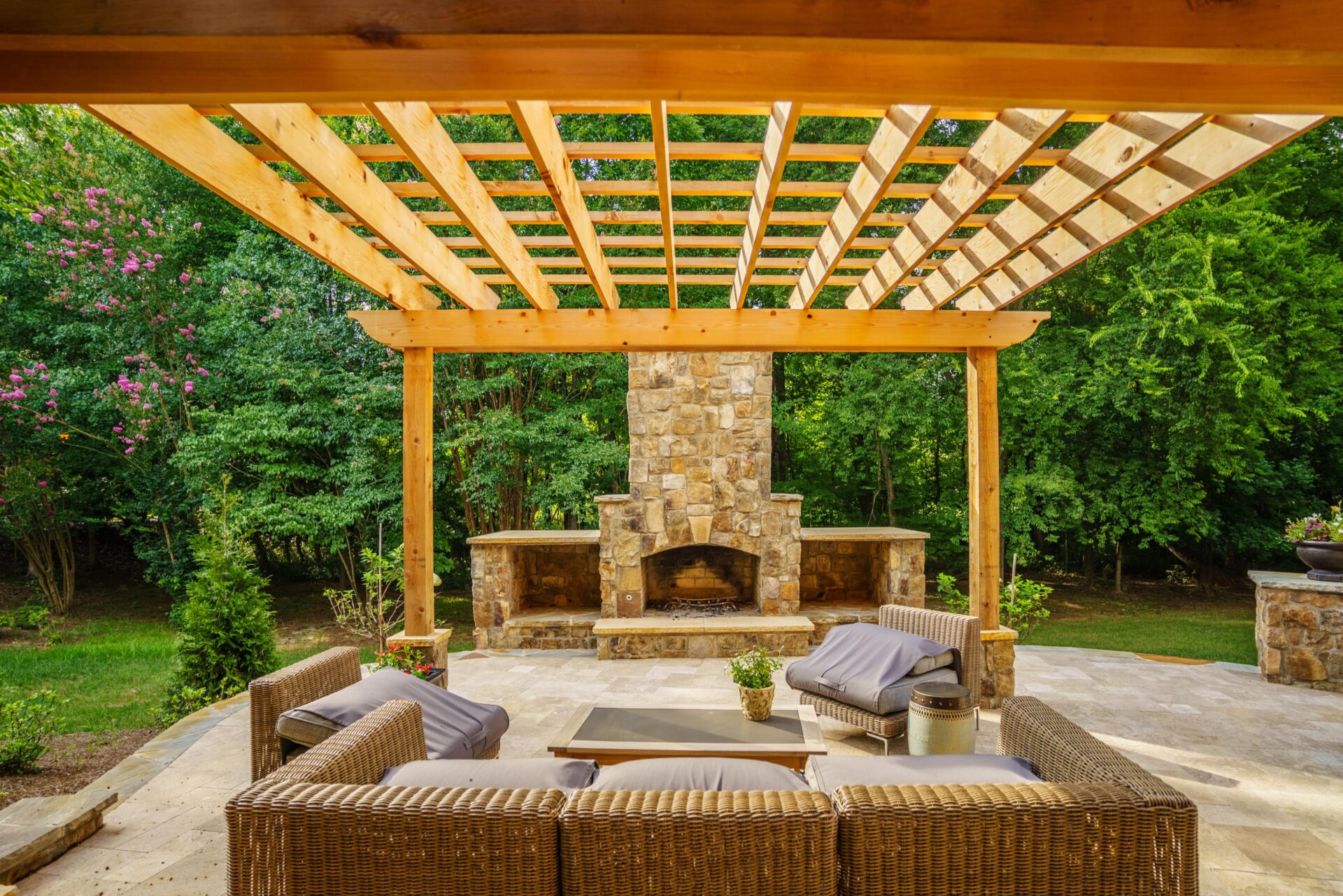
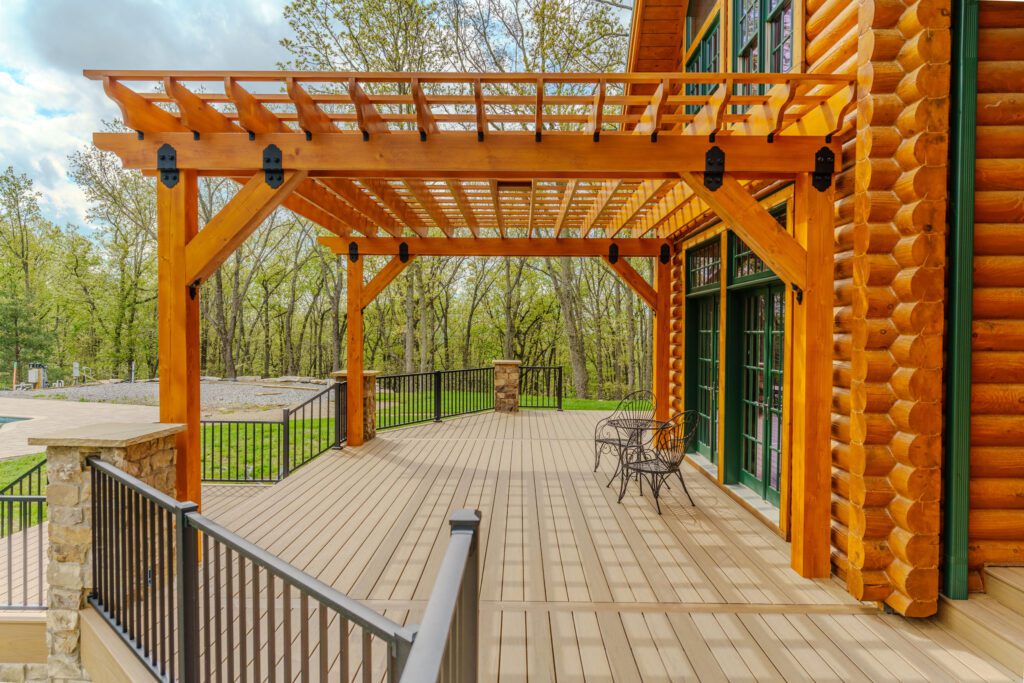
Charlotte homeowners are investing more than ever in outdoor living. Pergolas are showing up in backyards from Ballantyne to Plaza Midwood, and it’s easy to see why. A thoughtfully designed pergola adds character, comfort, and usable square footage to your outdoor space. But as interest grows, so does the temptation to take the DIY pergola kit route.

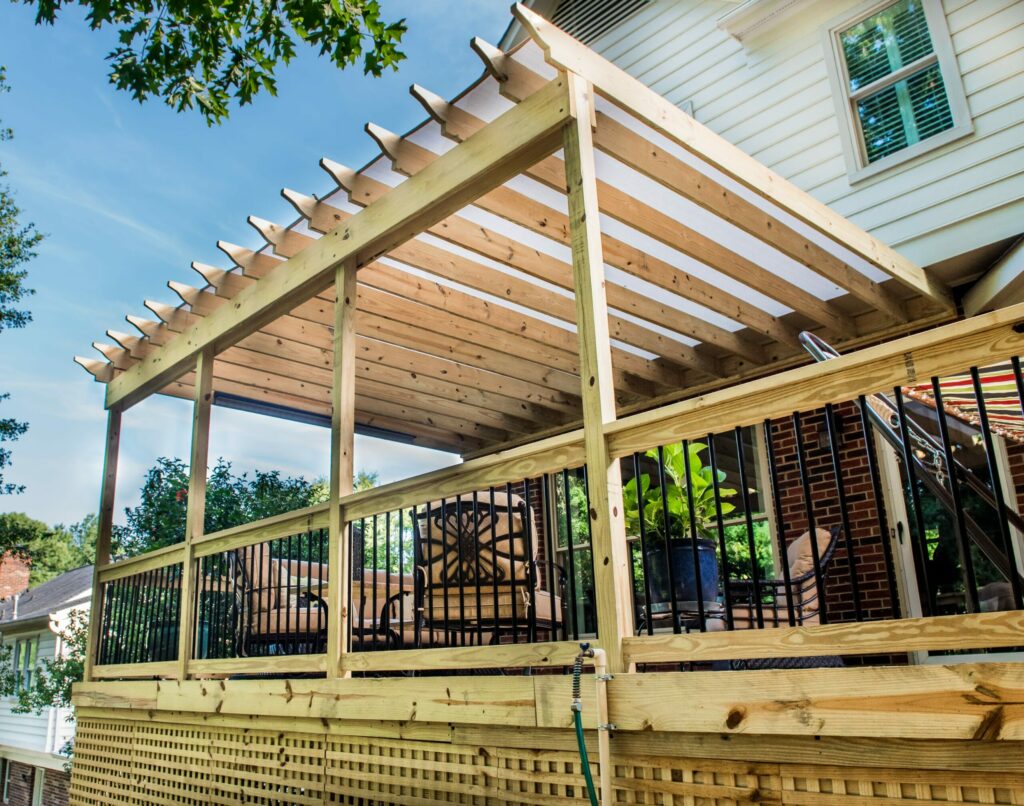
Big-box pergola kits promise quick results at a fraction of the price. But what often starts as a weekend project can spiral into weeks of frustration, and a finished product that doesn’t quite live up to the promise.

At Carolina Decks, we’ve seen it firsthand. As seasoned pergola builders serving Charlotte NC, we’ve helped dozens of homeowners fix, replace, or upgrade DIY pergola kits that didn’t work out. We’re not just here to build; we’re here to guide you through a smart, lasting investment.

The True Costs of DIY Pergola Kits

At first glance, DIY pergola kits look like a bargain. But the price tag rarely tells the full story.

You might save money on materials upfront, but long-term expenses often creep in: warped wood, poor drainage, misaligned posts, or fasteners that rust after the first Carolina rainstorm. And if your pergola doesn’t meet local codes or isn’t anchored properly, you could face fines, or worse, a structure that becomes unsafe over time.

We’ve met homeowners who spent weeks assembling a kit, only to realize it didn’t quite fit the space or feel secure enough to use confidently. That’s a frustrating outcome after pouring in your time, money, and elbow grease.

Why Work With Professional Pergola Builders

Working with a professional team like Carolina Decks means more than just hiring labor. It means unlocking a process that’s been refined through years of building outdoor living spaces across the Charlotte region.

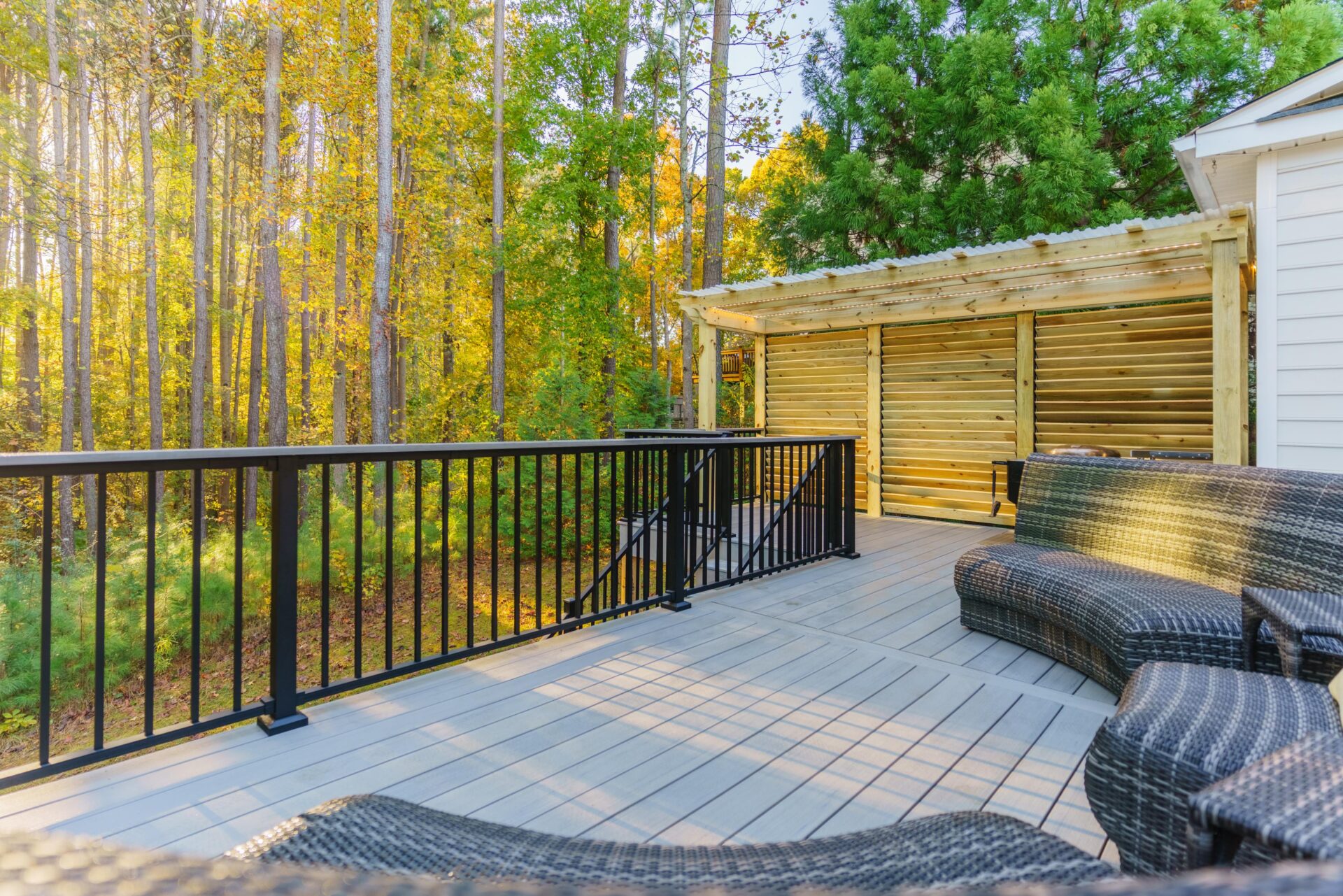
We start by understanding your home, your lifestyle, and the way you actually want to use your space. That might mean integrating privacy panels, installing a pergola cover, mounting fans or heaters, or designing around existing trees or hardscapes. DIY kits can’t offer that kind of flexibility.

Our materials are built to last. We don’t cut corners with fasteners, coatings, or framing. Our teams are trained to build with both function and finish in mind. And behind the scenes, we handle the permits, site work, and code compliance so you don’t have to. That’s peace of mind and saved weekends.

A pergola should never feel like a compromise. When it’s done right, it becomes a true extension of your home.

Custom Pergolas for Charlotte NC Homes

Charlotte’s climate is a story of extremes. Hot summers, surprise storms, and tree-filled neighborhoods mean every pergola needs to be thoughtfully engineered.

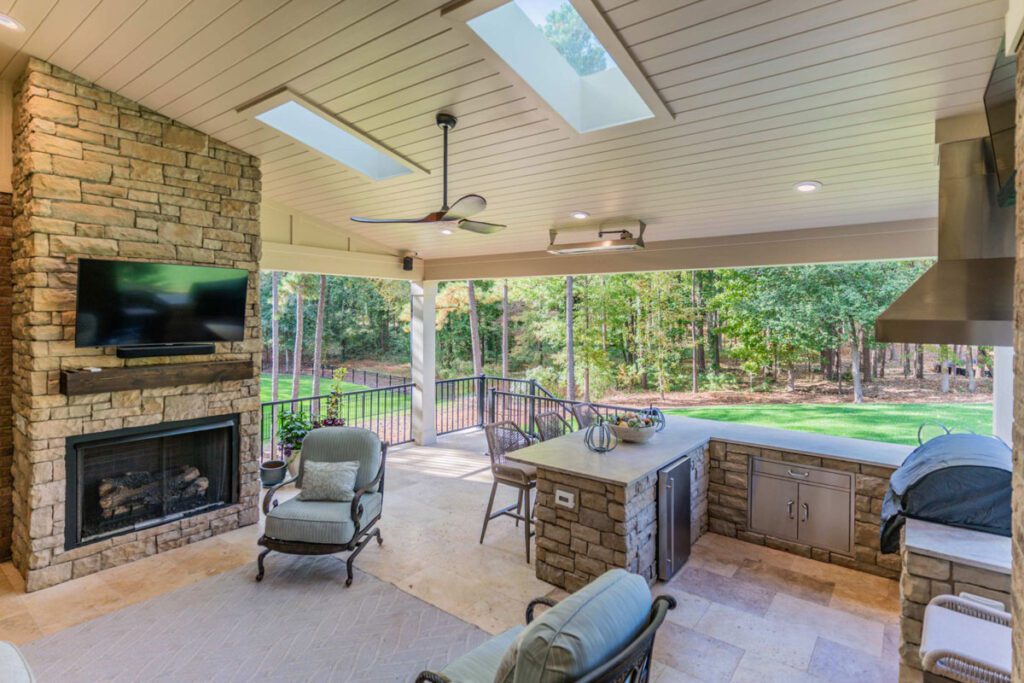
Whether you’re in a classic brick colonial in SouthPark or a new build in Fort Mill, your pergola should complement your home’s aesthetic, not fight it. That’s why we customize every project from the ground up. Want to pair your pergola with an outdoor kitchen? Need integrated lighting or privacy fencing? We design for that.

We’re proud to be local. We know the codes, the soil conditions, and even the HOA quirks in different communities. You won’t get that from a flat-pack kit shipped from halfway across the country.

Why Professional Installation Wins

A pergola is more than a shade structure. It’s an invitation to slow down, entertain, and live outdoors. When built right, it enhances both the beauty and value of your home.

DIY kits promise fast results, but they rarely deliver the kind of quality, safety, and integration that a professional team can provide. From custom design to code-compliant builds, working with a local expert like Carolina Decks means making a smart, lasting investment in your home.

Ready to upgrade your backyard with a stunning custom pergola?

Contact Carolina Decks, your expert pergola builders serving Charlotte NC, and let’s bring your vision to life.

Choosing an Outdoor Living Contractor: 7 Must-Have Qualities

Hardscaping is the backbone of luxury outdoor living. From elegant patios to custom fire pits, these permanent installations not only elevate your home’s curb appeal but also provide unmatched enjoyment and value. Hiring the right outdoor living contractor ensures your investment delivers on durability, design excellence, and return on investment. With a clear checklist in hand, homeowners can confidently choose a partner they trust to transform their backyard dreams into reality.

Why Choosing the Right Outdoor Living Contractor Matters

Outdoor living projects—decks, porches, patios, fire features, and more—are permanent structures. They carry a hefty price tag and define your property’s long-term value. Even small mistakes in design, grading, structural support, or materials can lead to expensive repairs and safety risks down the road. Conversely, the right outdoor living contractor brings:

  • Design vision that blends aesthetics with functionality
  • Technical skill to execute complex hardscaping and structural elements
  • Local expertise to navigate Charlotte-area climate and permitting requirements

By vetting contractors carefully, you safeguard your home—and your wallet—against costly missteps.

Seven Key Qualities to Look For in an Outdoor Living Contractor

1. Local Knowledge & Experience

An outdoor living contractor with deep roots in the Charlotte area understands region-specific challenges like clay soil, freeze-thaw cycles, and local permitting processes. They’ll recommend materials and grading solutions that stand up to our hot, humid summers and occasional winter freezes.

2. Licensing, Insurance & Credentials

Always verify that your contractor holds a valid state license for hardscaping and general contracting. Confirm they carry liability insurance and workers’ compensation coverage. This not only ensures professional standards but also shields you from liability should accidents occur on your property.

3. Portfolio of Past Work

A robust project gallery allows you to assess craftsmanship, material choices, and design versatility. Look for high-quality photos of patios, walkways, retaining walls, outdoor kitchens, pergolas, and custom fire features. Pay attention to finished details—clean grout lines, level surfaces, and humane scale.

4. Design Support & Customization

Top contractors aren’t just installers; they’re design partners. Ask if they offer 3D renderings or digital planning tools so you can visualize the layout, materials, and lighting before construction begins. A collaborative approach ensures your vision is woven into the final plan.

5. Reviews, Testimonials & Word of Mouth

Client feedback provides invaluable insight into reliability, communication, and work quality. Seek out online reviews on Google, Houzz, and social media. Don’t ignore red flags—unresolved complaints, sporadic communication, or hidden fees signal potential headaches.

6. Quality of Materials & Warranty

Superior materials cost more upfront but deliver lasting performance. Inquire whether the contractor sources stone, pavers, and timber locally or from reputable national suppliers. Understand what their workmanship and material warranties cover, and clarify how repair requests are handled post-installation.

7. Communication & Professionalism

A professional team sets clear timelines, delivers organized, transparent estimates, and responds promptly to questions. From the initial consultation to final walkthrough, look for a contractor who listens attentively, educates you on options, and sets realistic expectations.

Why an Outdoor Living Specialist Is a Smarter Hire

While many general contractors offer outdoor services, a true outdoor living contractor specializes in full-scope backyard transformations. They can seamlessly integrate patios, pergolas, lighting, irrigation, and custom features like fire pits or built-in grills. This multi-service approach ensures consistent design language, streamlined timelines, and single-point accountability—eliminating the need to juggle multiple subcontractors.

Choosing the right outdoor living contractor isn’t just about price—it’s about partnering with a licensed, insured, and locally experienced team that brings design creativity, technical precision, and open communication to every project. By using the seven qualities above as your hiring framework, you’ll avoid costly mistakes and ensure your outdoor living space stands the test of time.

Ready to elevate your backyard into an oasis of luxury and comfort? Schedule a consultation with Carolina Decks’ outdoor living experts today and take the first step toward creating the outdoor sanctuary you deserve.

What’s The Difference? PVC vs. Composite vs. Wood Decks

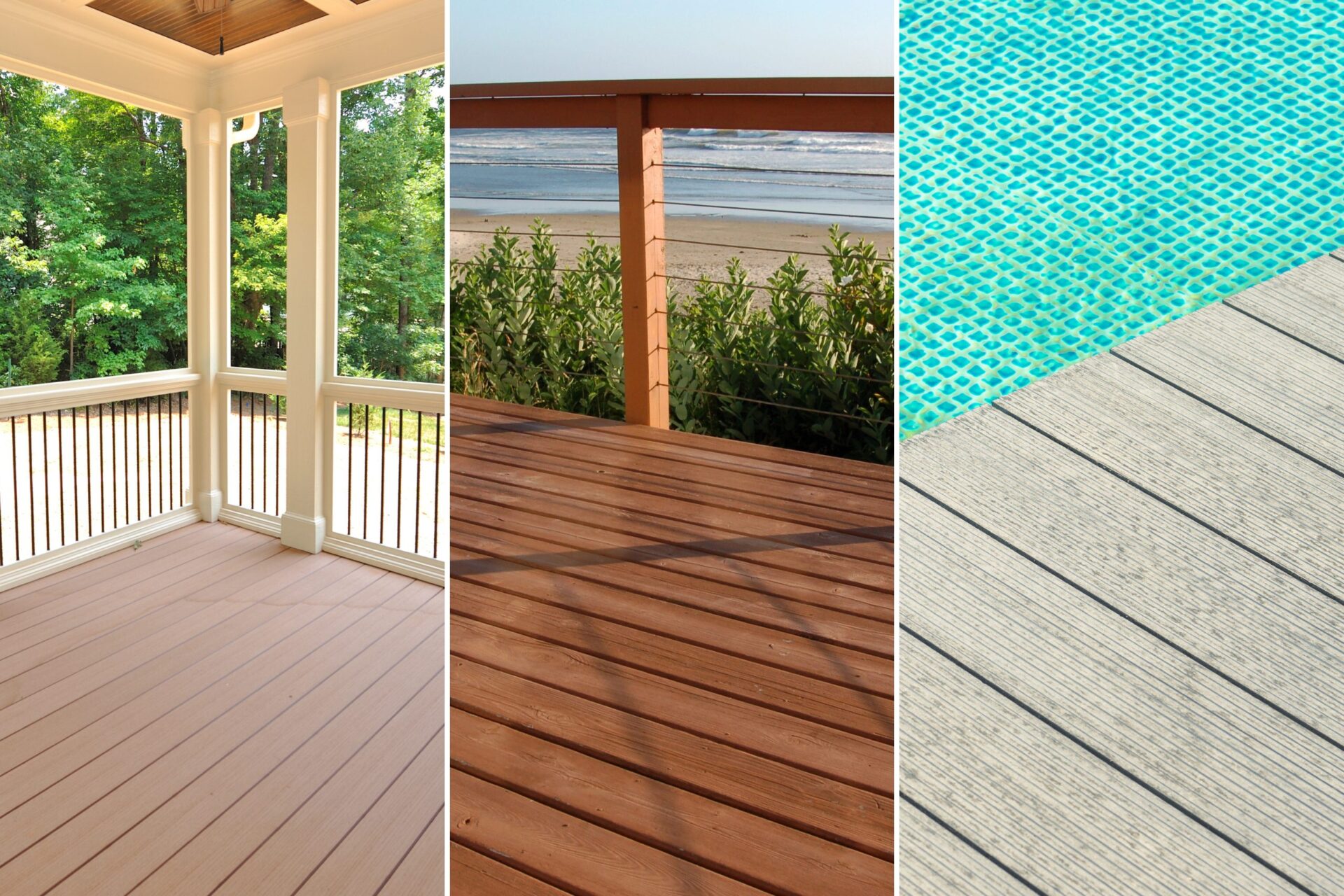
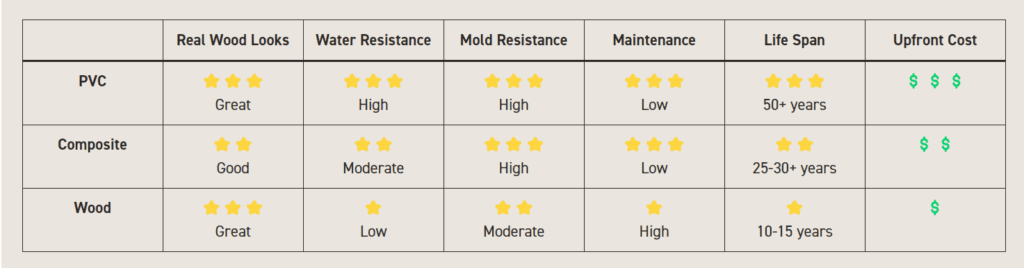
Many homeowners are curious about what decking material makes the most sense for their deck design and build projects. We’ve compiled a helpful guide to break down the differences between the three most common types: PVC vs. Composite (our favorite)vs. Wood decks. 

Source: https://www.timbertech.com/ideas/pvc-vs-composite-decking/

Wood Decking

Wood decking typically refers to pressure-treated deck boards. Pressure-treated lumber is treated to extend its useful life and protect against wood rot, but it’s still far less efficient than manufactured decking. Although it’s considered one of the most affordable deck materials to build with, it is important to consider how long-term maintenance costs add up.

Wood Decking: ProsWood Decking: Cons
– Typically more affordable up-front *
– Authentic wood look and texture
– Requires regular maintenance for safety and aesthetics
– Less durable than manufactured products
– Limited design options
– No manufacturer warranties
*depends on the type of wood selected

Composite Decking

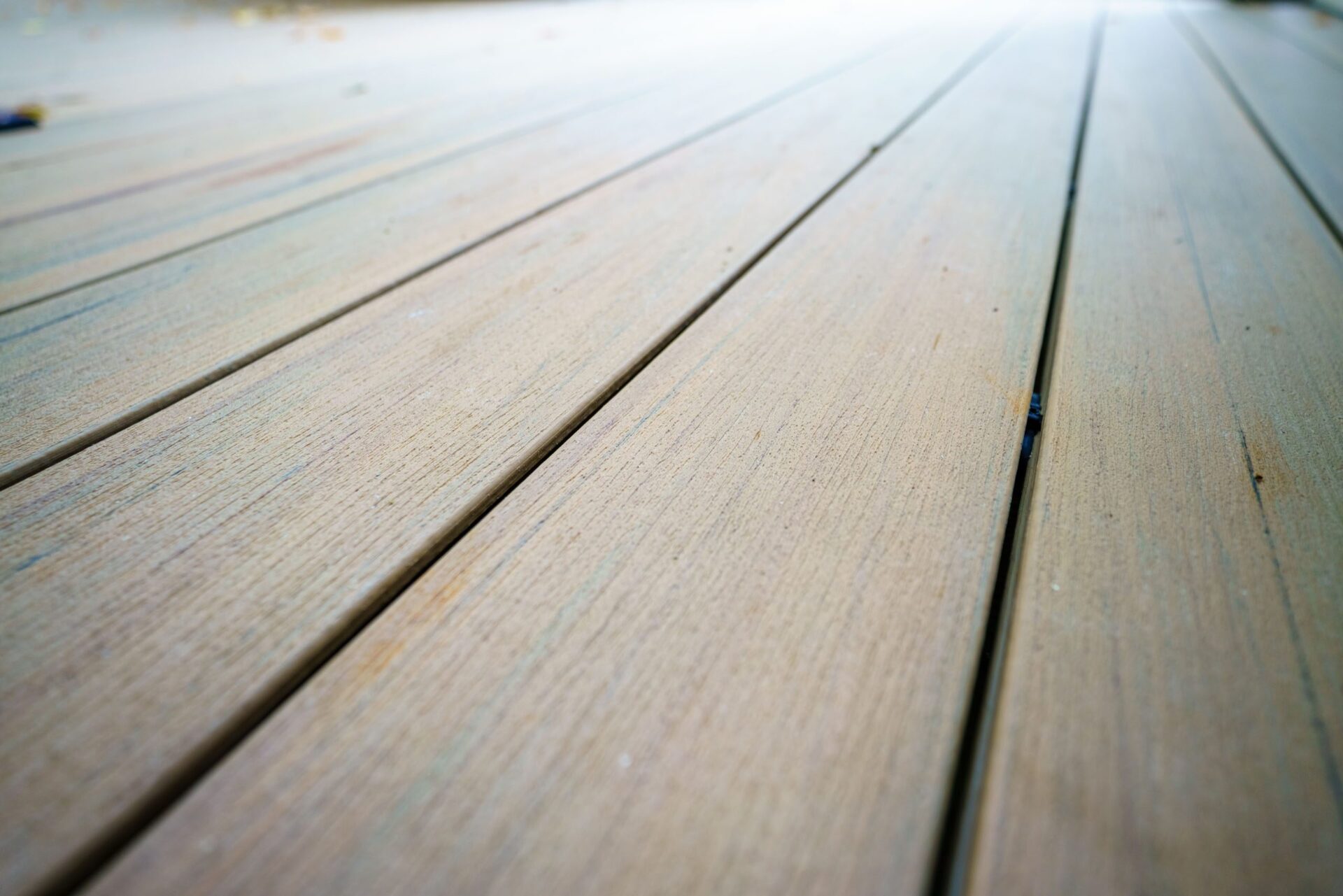
Composite decking refers to manufactured deck boards. Specific material blends may vary between manufacturers, but typically they consist of a blend of an organic reclaimed wood product (like sawdust or wood fibers) and recycled plastics. The final product is an extremely durable (and sustainable!) deck board. Manufacturers offer warranties between 25-50 years on most composite decking products. 

Composite Decking: ProsComposite Decking: Cons
– Lower lifetime costs due to minimal maintenance
– Durable and long-lasting*
– Resistant to water and sun exposure
– Variety of color and texture choices to choose from
– Allows for unique designs
– Higher up-front cost
– Not as natural-looking as real wood
* Carolina Decks recommends using “capped” composite decking due to its enhanced performance and durability. Capped boards feature a protective polymer “shell” around the composite material for improved durability and weather resistance. It also allows for a more realistic finish and color variety. Uncapped deck boards are made with the same core materials,  but lack the protective cap.

PVC Decking

PVC decking, unlike the composite decking recommended by Carolina Decks, is made entirely of plastic and contains no wood fibers. This makes it completely waterproof and resistant to rot, mold, and insects. PVC decking is a popular choice for outdoor applications like decks, patios, and around pools because of its low-maintenance nature. However, unlike capped composite decking, PVC decking may not offer the same level of color variety or realistic wood finishes.

PVC Decking: ProsPVC Decking: Cons
– Durable and long-lasting with minimal maintenance
– Weather resistant
– Premium color and texture selections
– Allows for versatile deck designs
– Highest up-front cost
– Low-quality or outdated PVC may be slippery or retain heat build-up* 
* Some manufacturers, like Timbertech, incorporate technology that reduces the amount of heat built up on the surface of the deck board, keeping your deck bare-foot friendly year-round. 

If you have any questions or want to schedule a consultation for your project, contact Carolina Decks today for a free estimate! Our expert team will be happy to answer any questions about PVC vs composite vs. wood decks and make sure you feel confident in your decision.

The 5 Benefits of Composite Decking That Will Transform Your Lifestyle

Considering a new deck for your outdoor space but unsure about which materials to choose? Today, we’ll explore the top five benefits of composite decking for your family and home. Keep reading to discover how this innovative material can revolutionize your outdoor experience.

Benefits of Composite Decking

1. Low-Maintenance Needs

Composite decking is made to last. Made from wood fibers and PVC, it’s designed to resist fading, scratching, staining, cracking, warping, and rot. It stands up to harsh weather, damage from insects, and the wear and tear of daily use.

With a quality composite deck, you can enjoy a decades-long lifespan without worrying about constant maintenance or costly repairs. Most leading composite decking manufacturers offer 25-50 years warranty periods. This is significantly longer than the durability of wood decking, which only lasts 10-15 years on average.

2. Personalized Design Options

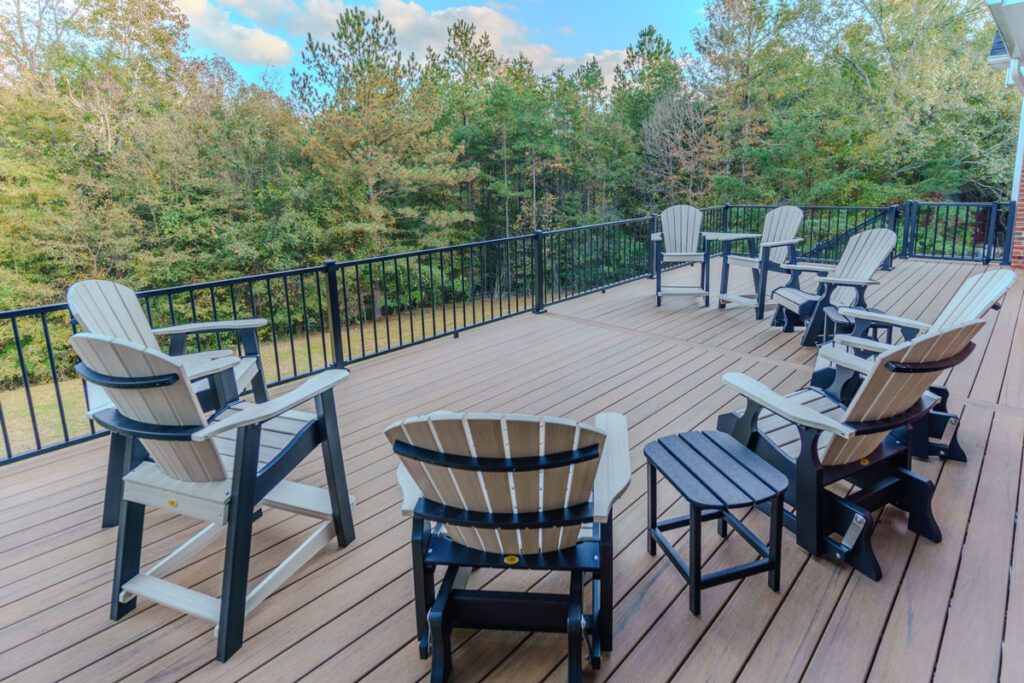
One of the standout benefits of composite decking is the myriad of design customization options it provides, allowing you to create an outdoor living space tailored to your tastes and preferences. With an extensive range of colors, textures, and patterns available, it’s easy to find a composite board that matches and enhances your home’s style.

The 5 benefits of composite decking

3. Safety

For starters, composite materials are not prone to insect infestations or water damage, which helps maintain the structural integrity of your deck, extending its lifespan and reducing the risk of collapse.

In addition, composite decking is splinter-free, reducing the risk of injuries while spending time outdoors. It also features slip-resistant properties, ensuring a more secure surface in wet conditions.

Moreover, unlike traditional wood decks, composite decks don’t need chemicals to control and prevent insects or to protect the material from decay, thus reducing potential exposure to harsh chemicals such as those used for pest control.

Understanding composite decking benefits

4. Add More Value To Your Home

Composite decks are highly sought after by homebuyers. Buyers see the long-term value in a virtually maintenance-free outdoor living area, which can help make your home stand out from the rest.

A wooden deck can add value, but some buyers might see it as an extra expense that requires too much attention and ongoing maintenance.

benefits of a composite deck

5. Warranties

One of the many advantages of composite decking is the impressive warranties that come with it. These warranties provide assurance of the decking material’s quality and durability and protect your investment for decades to come. Leading composite decking manufacturers, such as Trex, TimberTech, and Fiberon, offer warranties of up to 25-50 years, covering aspects like fading, staining, and material defects.

One notable feature of some warranties is that they are transferable. They can be transferred from the original purchaser to a subsequent homeowner, adding even more value should you decide to sell your home within the warranty period. For example, TimberTech Pro Decking warranties can be transferred for up to five years from the original purchase date.

why you should choose a composite deck

In conclusion, composite decking is an ideal choice for families who want a worry-free and enjoyable outdoor space. With enhanced protection against insects, water damage, and more, composite decking is a dependable and trustworthy option for your outdoor project.

If you’re a homeowner in North Carolina searching for a deck builder, we encourage you to explore our services at Carolina Decks to discover how our expert team can create the perfect outdoor living space for your home.

Debunking 3 Common Composite Decking Myths & Misconceptions

The shift from traditional wooden decks to composite decking is a trend that continues to gain momentum. However, certain composite decking myths remain to this day, leading some to miss out on its considerable benefits. Some of these misconceptions may even lead to unrealistic expectations or improper care. In this post, we’ll debunk three of these common misconceptions, offering a balanced view of the reality of owning a composite deck.

Composite Decking Myths:

1. Composite Decking Is Completely Maintenance-Free

While composite decking is often promoted as ‘maintenance-free,’ it’s crucial to understand what this truly means. The term ‘maintenance-free’ is used in the context of it being free from demanding maintenance tasks often associated with wooden decks, such as staining, sealing, or regular repairs. However, this doesn’t imply that composite decking requires no care at all.

If possible, you should keep your decking clean from leaves and dirt by sweeping it regularly. Additionally, an annual deep clean using a low-pressure power washer or a soft brush with soapy water will help preserve its appearance.

Despite its resilience, neglecting routine cleaning can lead to premature damage. For instance, piles of leaves left on the deck can cause mold and algae growth. So, while low-maintenance, composite decking does need some attention to maintain its appeal.

debunking composite decking myths

2. Composite Decking Has A Fake, ‘Plastic-Like’ Look And Feel

This misconception was likely born in the early days of composite decking. Back then, the aesthetic and technological features weren’t as advanced as they are today, including composite decks. However, composite materials have evolved considerably.

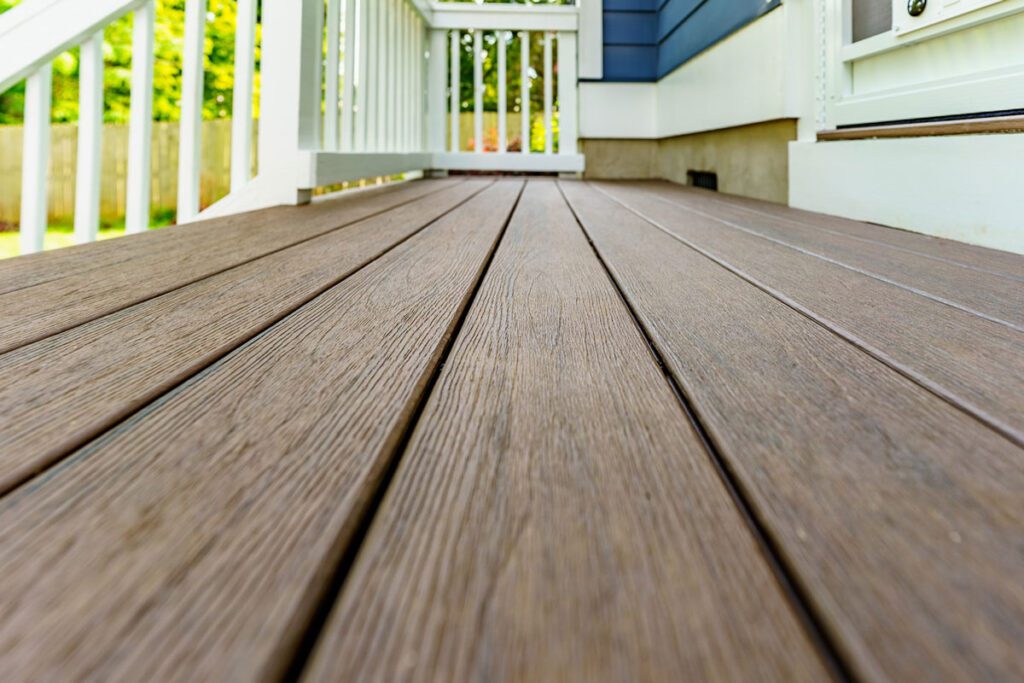
Modern composite decking products showcase intricate wood grain patterns and a broad range of colors. These details are designed to capture real wood’s natural charm and beauty. So, rest assured; your composite deck will not appear like plastic or artificial, given that you select the right products.

As for the feel, the notion that composite decking is too plastic-like is also outdated. High-quality composite decking has a solid feel underfoot, much like wood, but without the splinters. Newer generations of composite decking have many benefits, like remaining relatively cool to the touch, even under the glaring sun.

What’s more, composite decking presents a world of design and customization opportunities to achieve a specific style. For example, by giving you the ability to choose virtually any color, it makes it easy to create a deck that matches your home’s style.

We encourage you to check samples from leading manufacturers like TimberTech, Trex, Deckorators, or Fiberon to see for yourself how luxurious composite decking can look.

composite decking in Charlotte

3. A Composite Deck Is Much Pricier Than a Wood Deck

Many people have the perception that a composite deck is much pricier than a wood deck. While it’s true that the initial cost of composite decking is somewhat higher, it’s essential to consider the entire picture.

Lumber prices have increased in the past decade, with sudden price spikes in the past couple of years due to the pandemic. In contrast, the cost and technology of composite decking have only gotten better over the years. As a result, the price gap in 2023 between a composite and wood deck is no longer as wide as you might think.

Most importantly, wooden decks require regular, costly maintenance like staining, painting, sealing, and frequent repairs. These costs add up over the lifespan of the deck. When viewed through the lens of a long-term investment, it’s not true that composite decking costs more.

Composite decking misconceptions

Pergolas and Shade Structures: Which Structure is Best for Your Backyard?

Ensuring your outdoor space is comfortable, functional, and attractive is key to maximizing your enjoyment of the great outdoors. Pergolas and shade structures help create a comfortable environment shielded from the sun’s harsh rays. To find the perfect fit for your outdoor space, let’s explore the options, including pergolas, patio covers, gazebos, pavilions, and arbors.

Types of Pergolas and Shade Structures for your Outdoor Space

Pergolas

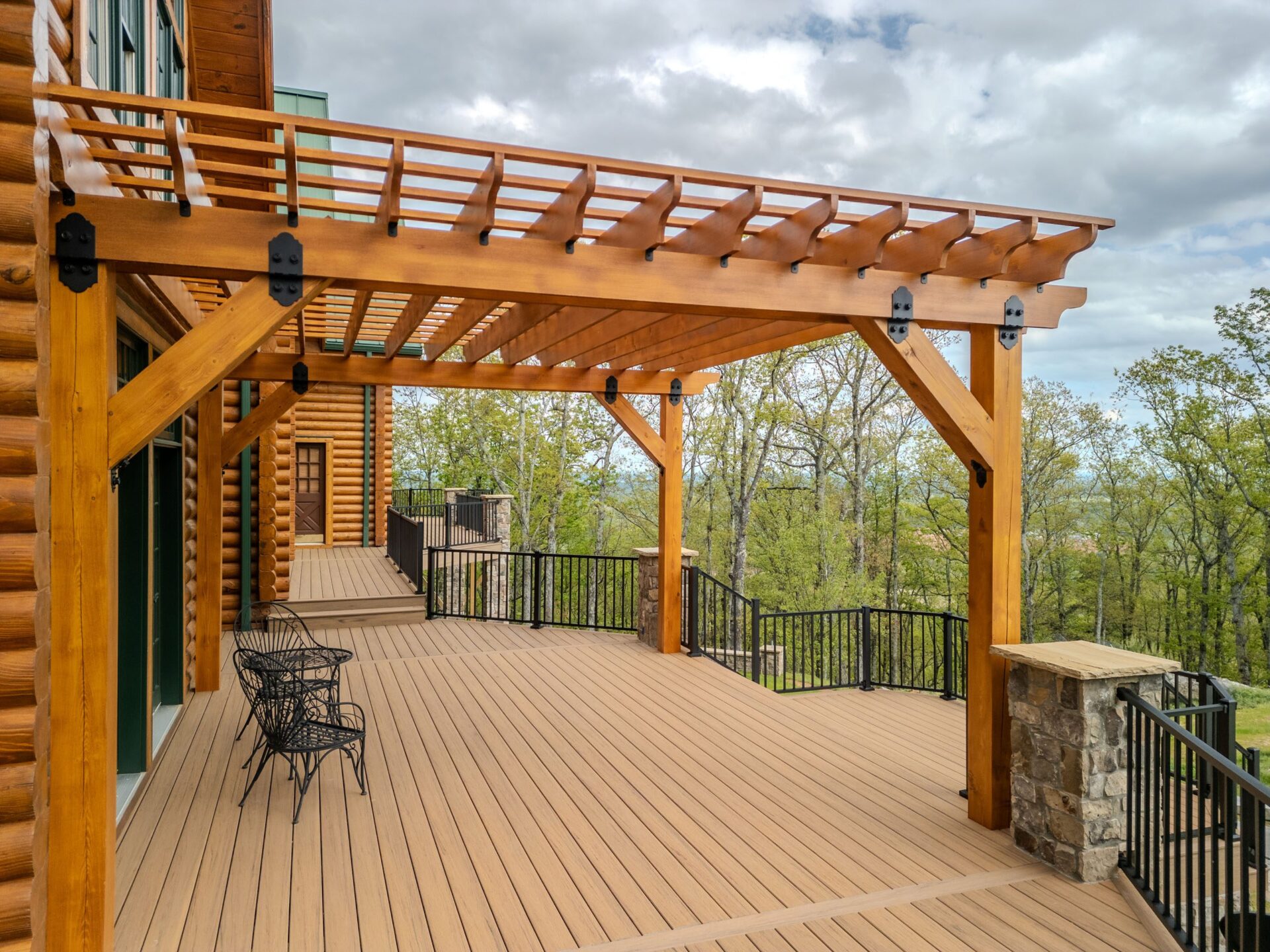
Pergolas are versatile and elegant structures that can elevate the beauty of your outdoor space while providing much-needed shade. These structures consist of two to four vertical posts supporting an open roof of cross beams. Pergolas can be freestanding or attached to your home and can be made of various materials, including wood, vinyl, and aluminum. 

Pergolas offer both functional and aesthetic benefits. Functionally, they provide shade and create a comfortable environment for outdoor gatherings and relaxation. Aesthetically, pergolas can serve as a focal point, adding character and charm while providing the opportunity to incorporate climbing plants or outdoor lighting. 

Pergolas With Polycarbonate Roofing

A pergola with a polycarbonate roof is a great way to shield your outdoor living space from harsh sunlight, rain, and snow. This material efficiently shades your space while allowing some natural light to filter through, providing protection from various weather conditions without sacrificing brightness. 

pergolas and shade structures from Carolina Decks

Motorized, Louvered Pergolas

For those seeking a more versatile alternative, louvered pergolas are an excellent option. These motorized structures feature adjustable slats, providing greater flexibility to control sunlight exposure and air ventilation. Louvered pergolas can be opened and closed with a remote control and provide full protection from the rain when closed. 

Patio Covers

A patio cover is a roofed structure that protects your patio or deck from various weather elements. Unlike pergolas, which feature an open roof of cross beams, patio covers have a solid roof that fully shields your outdoor space from sunlight, rain, snow, and other elements.

Attached to your home, patio covers are known for their ability to create a seamless transition between your indoor and outdoor living areas. With a protected outdoor space, you can effortlessly extend your living and entertaining spaces, allowing for increased functionality and usability of your patio or deck.

When it comes to aesthetics, a thoughtfully designed patio cover can blend with your home’s existing architecture, emphasizing its most appealing features while creating a cohesive look.

Gazebos

Gazebos are freestanding structures with solid roofs and open sides, offering shade and a beautiful focal point for your backyard. Ideal for a quiet retreat or an intimate gathering space, they are characterized by their small size and cozy appeal. Gazebos come in various shapes, including square, oval, and octagonal.

Pavilions

Like gazebos, pavilions are freestanding structures with a solid roof and open sides. The main difference is that pavilions tend to be larger, making them ideal for hosting large gatherings. They also tend to have a rectangular rather than a square or oval shape.

Arbors

Arbors are small, freestanding structures typically consisting of two posts and an arched, open roof. Essentially, you could think of an arbor as a smaller version of a pergola with just two supporting legs. While arbors may not provide shade coverage for a large area, these charming structures can create a focal point and add visual interest to your garden, yard, or deck. One delightful feature of arbors is their ability to support climbing plants, turning them into living shade structures.

Work With The Best Pergola Builders in North Carolina

Do you live in North Carolina? Are you ready to create the perfect outdoor living space, complete with a beautiful pergola or shade structure? Discover how Carolina Decks can turn your vision into reality by learning more about our services. 

Deck Resurfacing With Composite Materials: What You Need To Know

Over time, your deck will inevitably show signs of wear, leading you to consider options like resurfacing or remodeling. Deck resurfacing involves removing old decking and replacing it with new materials to refresh the appearance and prolong the life of your outdoor living space.

In this blog, we will dive into the advantages of using composite materials for deck resurfacing, factors to consider before embarking on a resurfacing project, and how to decide between deck resurfacing and remodeling.

What is Deck Resurfacing?

Deck resurfacing is the process of upgrading and revitalizing an existing deck by removing and replacing its worn-out surface materials with new decking. This not only improves the deck’s appearance but also extends its lifespan. The end result is a refreshed outdoor living space, offering greater safety, durability, and visual appeal, without the expense and effort required to build a completely new deck from scratch.

Composite deck resurfacing

Deck Remodeling Vs. Deck Resurfacing

Deck resurfacing and remodeling are two distinct approaches to repairing and upgrading your deck. Resurfacing focuses primarily on replacing the worn-out surface materials of an existing deck, such as the decking boards and railings. This process revitalizes the appearance of your deck while maintaining the underlying structure, making it a cost-effective and less time-consuming option.

On the other hand, remodeling involves more comprehensive changes to your deck’s design, layout, size, or structural elements. This can involve modifying the structure, expanding the deck, or incorporating features such as a patio cover or outdoor kitchen. While remodeling may require a larger budget and more extensive construction work, it presents an opportunity for complete customization and transformation of your outdoor space to align with your specific preferences and needs.

Ultimately, the choice between resurfacing and remodeling depends on the current state of your deck, your desired outcome, and your budget.

Should You Consider Deck Resurfacing?

You should consider resurfacing when your existing deck shows signs of wear and tear or if its aesthetics no longer meet your preferences. Common indicators include fading or discoloration, splintering, warped or cracked boards, and rot or insect damage. However, resurfacing is only recommended if the underlying frame and structure remain in sound condition, capable of supporting new surface materials.

By investing in resurfacing at the right time, you can extend the lifespan of your deck without the need for a full-scale replacement or remodeling project. Working with a professional who can inspect the structure is the best way to determine if your deck is a good candidate for resurfacing.

deck resurfacing with composite material

Why Composite Decking is a Top Choice for Resurfacing Projects:

If you find yourself considering deck resurfacing, your current deck was likely constructed using wood, which has led to the need for an upgrade. By selecting composite decking for your resurfacing project, you can prevent the recurrence of surface issues and give your outdoor space a revitalized new look.

Composite decking is a top choice for resurfacing projects for many reasons, including its increased durability and resistance to the elements. This material is less prone to damage from moisture, sun exposure, and insects – ensuring a reliable, longer-lasting deck surface that you can enjoy without worrying about constant upkeep.

Composite decking offers more than raw performance, enhancing the visual appeal of your deck with its striking appearance. The wide array of colors and textures available allows for versatility in your design choices. If your current wooden deck has failed to meet your stylistic expectations or does not blend with your home’s style, composite decking can be the ideal solution to transform your outdoor space into an elegant retreat.

To gain a deeper understanding of the advantages composite decking has to offer, be sure to explore our detailed article, “Composite Decking: 5 Benefits That Will Transform Your Lifestyle.

When To Consider Wood Decking:

However, there are instances when wood decking might be a more suitable deck resurfacing option. If you prefer a more natural look and are willing to take part in regular maintenance, wood decking can be a beautiful choice. Wood decking also tends to have a lower upfront cost.

Additionally, opting for wood decking can make more financial sense if the existing deck structure has a limited lifespan, such as 10-15 years. In these cases, investing in more expensive composite materials may not fully justify the long-term investment, as the framing may not last long enough to reap all the benefits of the composite decking.

Give Your Deck A Facelift With Carolina Decks

Attention North Carolina homeowners! If your deck is in need of an upgrade or you’re considering a new outdoor living space, don’t hesitate to explore our services at Carolina Decks. Our experienced and dedicated team is eager to transform your backyard into a stunning, functional, and enjoyable retreat. Learn more!

deck upgrade with Carolina Decks

Why Charlotte Homeowners Are Adding Custom Patio Covers to Their Decks

There’s a reason outdoor living is one of the most sought-after upgrades among homeowners in the Charlotte metro area. Our climate begs for it with mild winters, long springs, and warm evenings that practically pull you outside. The question isn’t whether to invest in your outdoor space. It’s how to design it so you can actually use it.

A custom patio cover is one of the most impactful additions you can make to an existing deck. It’s the difference between a space that’s occasionally pleasant and one that becomes the true heart of your home: functional, beautiful, and tailored specifically to how you live.

Here’s why Charlotte homeowners are making this investment, and what to consider when designing your own.

How a Patio Cover Enhances Your Outdoor Living

1. Comfort & Relief from Intense Sunlight

Charlotte summers are gorgeous, but they can be relentless. A well-designed patio cover creates a shaded outdoor retreat that makes al fresco dining and entertaining comfortable well past noon. More importantly, it extends your usable season in both directions so you’re outside earlier in spring and later into fall, without the sun or a passing afternoon shower cutting things short.

This isn’t just about comfort. It’s about getting the most return from one of your home’s most valuable assets.

An aerial top-down view of a luxury wood-framed patio cover protecting an outdoor living space with a sofa, fireplace, and deck overlooking a swimming pool.

2. A True All-Weather Gathering Space

There’s something quietly wonderful about sitting under a covered porch during a Carolina rainstorm, coffee in hand, watching the rain hit the yard. That experience doesn’t happen on an open deck. A covered outdoor space creates an environment where impromptu gatherings don’t get rained out, where weekend mornings stretch a little longer, and where the line between inside and outside becomes delightfully blurred.

3. Elevates Your Home’s Design and Resale Value

In the Charlotte real estate market, outdoor living space is a legitimate selling point and a custom patio cover signals quality construction to any discerning buyer. When designed to complement your home’s roofline, trim, and materials, a covered deck doesn’t look like an addition. It looks intentional. It looks like it was always there.

That design cohesion is something Carolina Decks takes seriously on every project. The goal is never a structure that feels out of place, it’s one that makes your entire home look better.

Luxury covered patio featuring a rustic stone fireplace with mounted TV, wood ceiling, and comfortable outdoor lounge chairs.

4. Unlocks Premium Outdoor Features

A covered structure gives you something an open deck simply can’t: a stable, weather-protected environment for elevated features. Recessed lighting and ceiling fans become practical, not just decorative. A wood-burning or gas fireplace suddenly makes sense. An outdoor kitchen, complete with built-in appliances, countertops, and a dining area, becomes a genuine possibility rather than a wishful thought.

This is where design really comes into its own. The patio becomes the architectural anchor that ties the entire outdoor space together.

5. Extends The Lifespan Of Your Furniture

Homeowners who invest in high-quality outdoor furniture such as teak dining sets, weather-resistant upholstered seating, and custom cushions deserve to protect that investment. UV exposure fades and degrades materials faster than most people realize, and moisture does the rest. A solid patio cover dramatically reduces wear and opens up your options. Pieces that would suffer in full exposure can live beautifully underneath a well-crafted roof structure.

Modern white patio cover design with an integrated skylight, light blue beadboard ceiling, and a wooden ceiling fan.

6. Where Your People, and Your Pets, Actually Want to Be

Ask any family in the Charlotte area where they actually end up on a Saturday afternoon, and the answer is usually somewhere between inside and outside. A covered deck gives that instinct a proper home. It’s shaded enough for the kids to play without you worrying about the sun, open enough that they can dart into the yard and back without tracking the whole outdoors through your kitchen. It’s where the birthday party migrates after the cake, where homework somehow gets done better, and where the dog finally has a spot that’s clearly theirs.

For households with pets, the covered porch is genuinely transformative. Dogs who overheat in direct sun get a shaded retreat that keeps them outside with the family. Water bowls don’t bake and pet beds don’t mildew from dew.

Expansive covered outdoor living space with flagstone pavers and white columns overlooking a lakeside dock.

7. When You’re Already a Few Steps from Something Beautiful

Charlotte and its surrounding communities sit in some genuinely spectacular geography. If your backyard meets a tree line, backs up to a creek, or puts you within walking distance of a lake or dock, your outdoor space isn’t just a patio, it’s a front-row seat. A custom patio cover honors that.

Rather than retreating inside when conditions aren’t perfect, you stay. You have morning tea with the mist still sitting in the tree canopy. You watch the water from a dry seat after an afternoon storm rolls through. The covered deck becomes the transition point, the place where the comforts of your home extend outward toward the landscape you chose this property for in the first place.

This is especially true for homeowners on Lake Norman, the Catawba River corridor, or the wooded lots throughout Weddington, Marvin, and Waxhaw. The investment in a well-designed covered structure isn’t separate from the natural setting, it’s what finally lets you live in it.

High-pitched white gable patio cover addition over a grey composite deck with outdoor dining and seating areas.

Ready to Design Your Covered Outdoor Space?

At Carolina Decks, we’ve been designing and building custom decks and outdoor living spaces throughout the Charlotte metro from South Charlotte and Ballantyne to Lake Norman and Matthews for over a decade. Every project starts with understanding how you want to live in your space, and ends with a structure built to last.

If you’ve been thinking about adding a patio cover to your existing deck, or designing a new covered structure from the ground up, we’d love to talk through the possibilities. Request an estimate from our expert team today to get started on your project! Call us now (980) 414-0320 to get a quote.