
Spring 2026 Backyard Graduation Party Ideas for Charlotte Families

Charlotte in May and early June is about as close to perfect outdoor weather as you’ll find anywhere. Look forward to warm evenings with the days still long enough to make a backyard gathering feel unhurried. If your family has a graduation this spring, an outdoor party is the obvious move. Here’s how to make it work.


Think in Zones, Not One Big Open Space

The instinct with a larger party is to just push everything to the edges and let people spread out. A better approach is to think in three distinct zones: a food and serving area, seating for guests who want to settle in, and open space for mingling and movement.

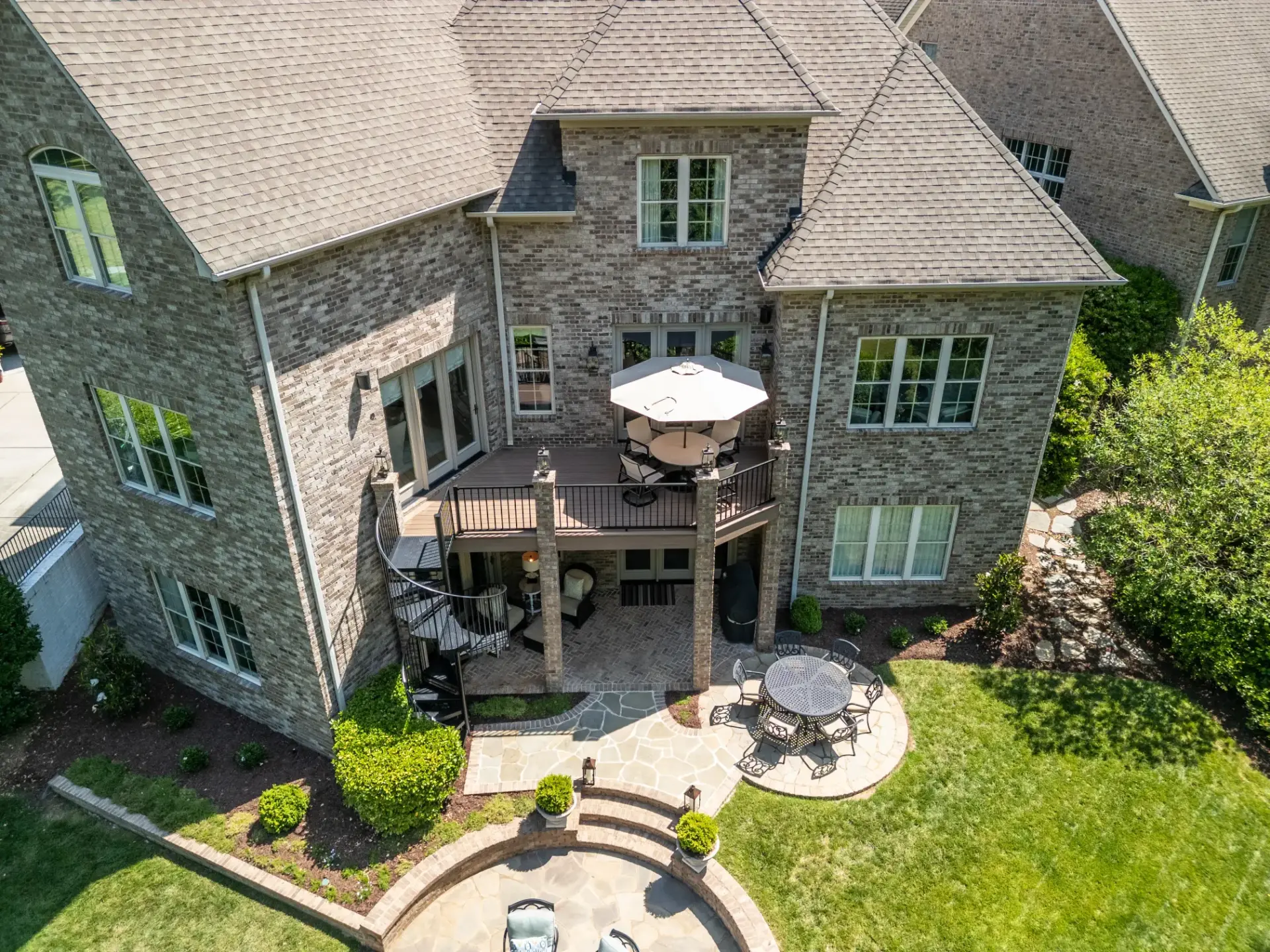
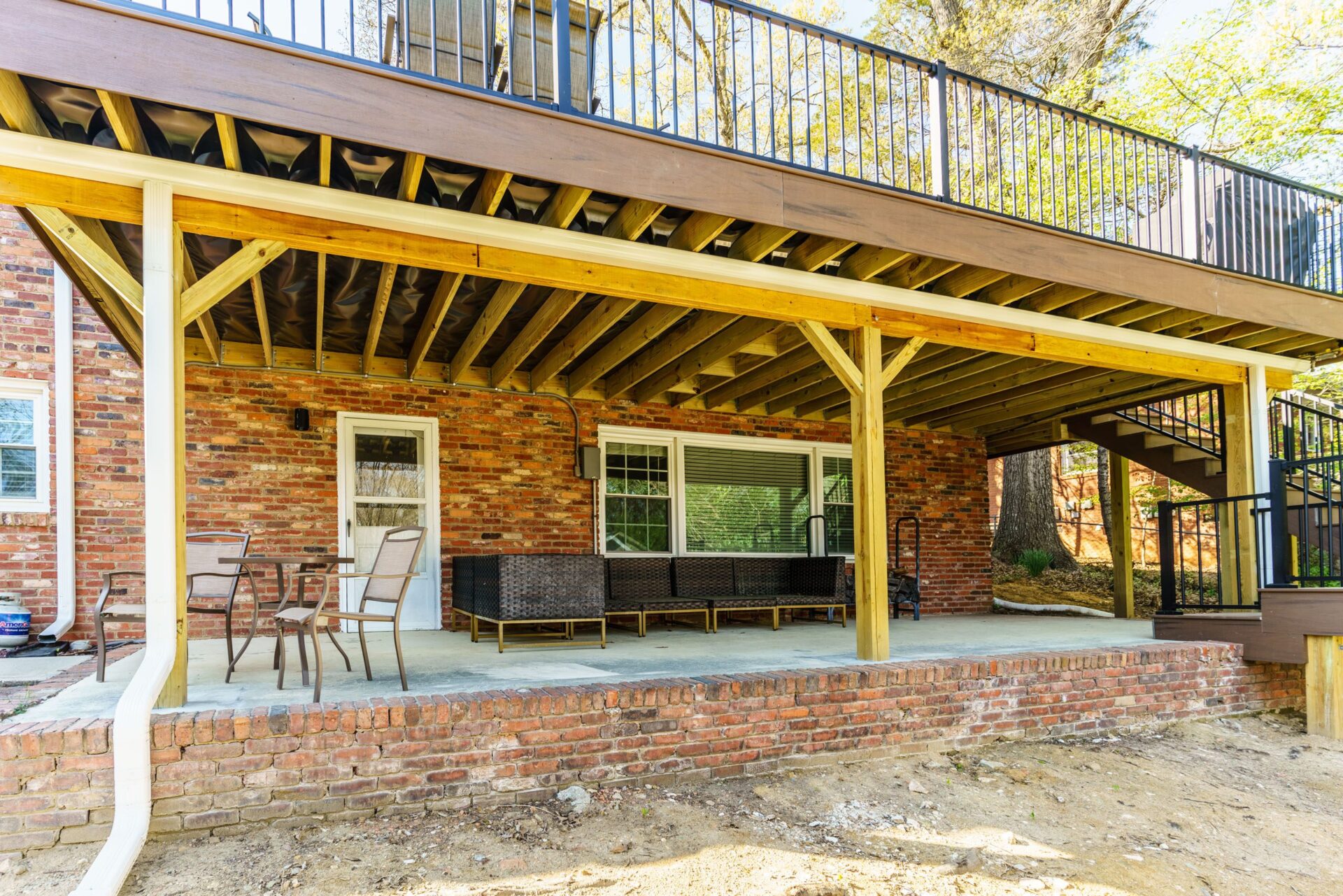
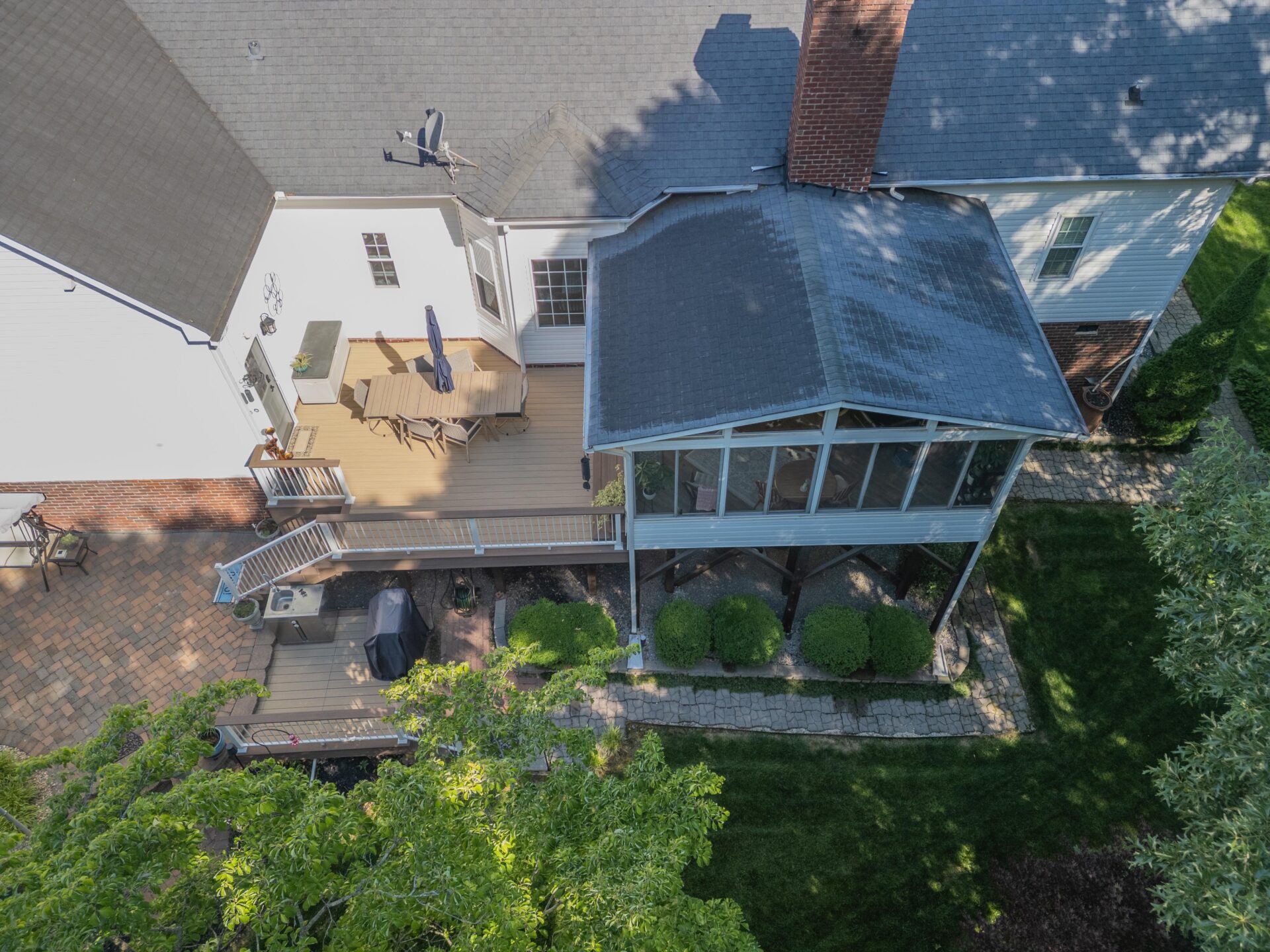
A well-designed deck or patio handles the first two naturally. It gives you a defined, level surface for your serving table and a place to anchor comfortable seating for older guests who don’t want to stand for two hours. The open yard becomes the flow zone: keep it clear, and the party moves the way you want it to.

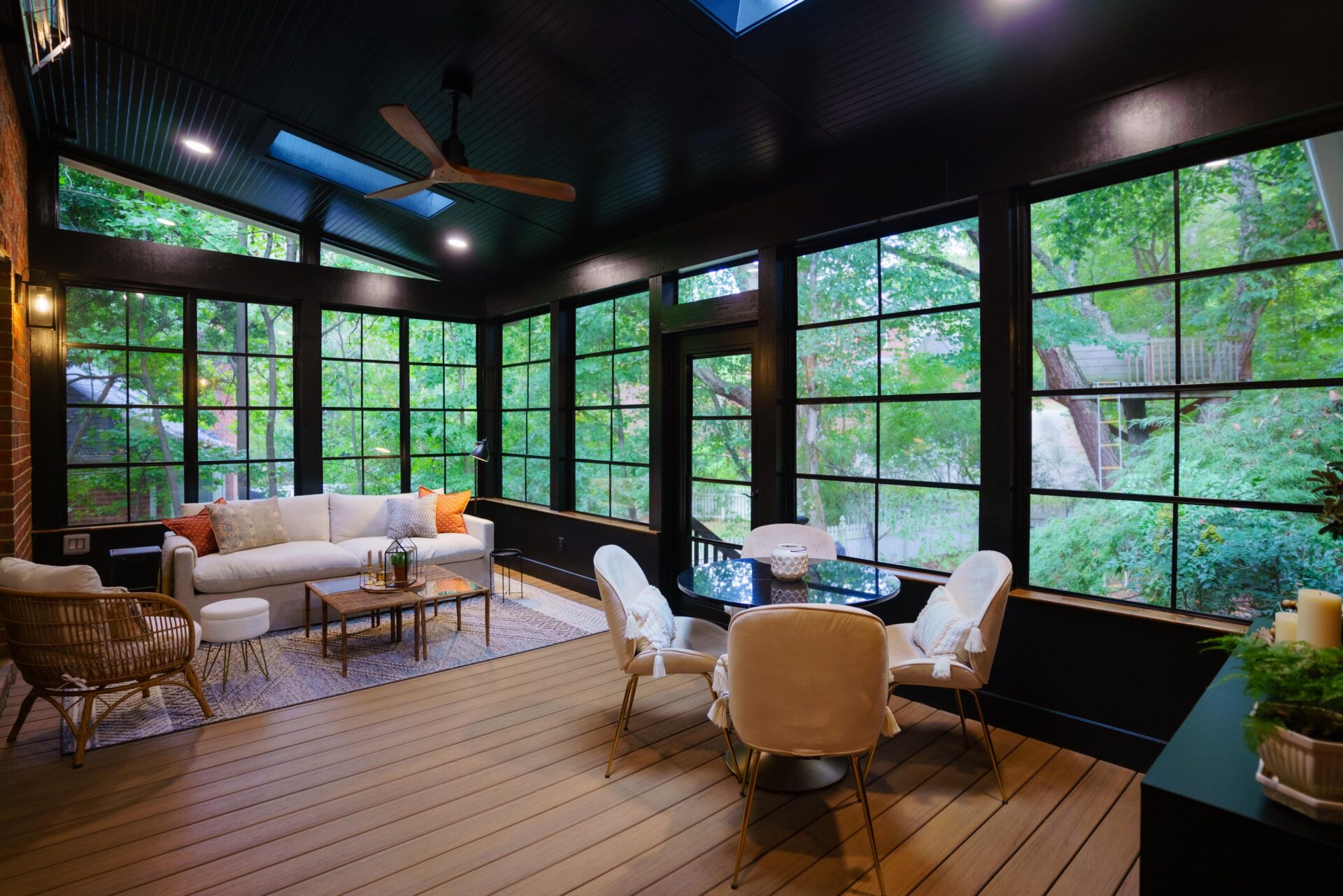
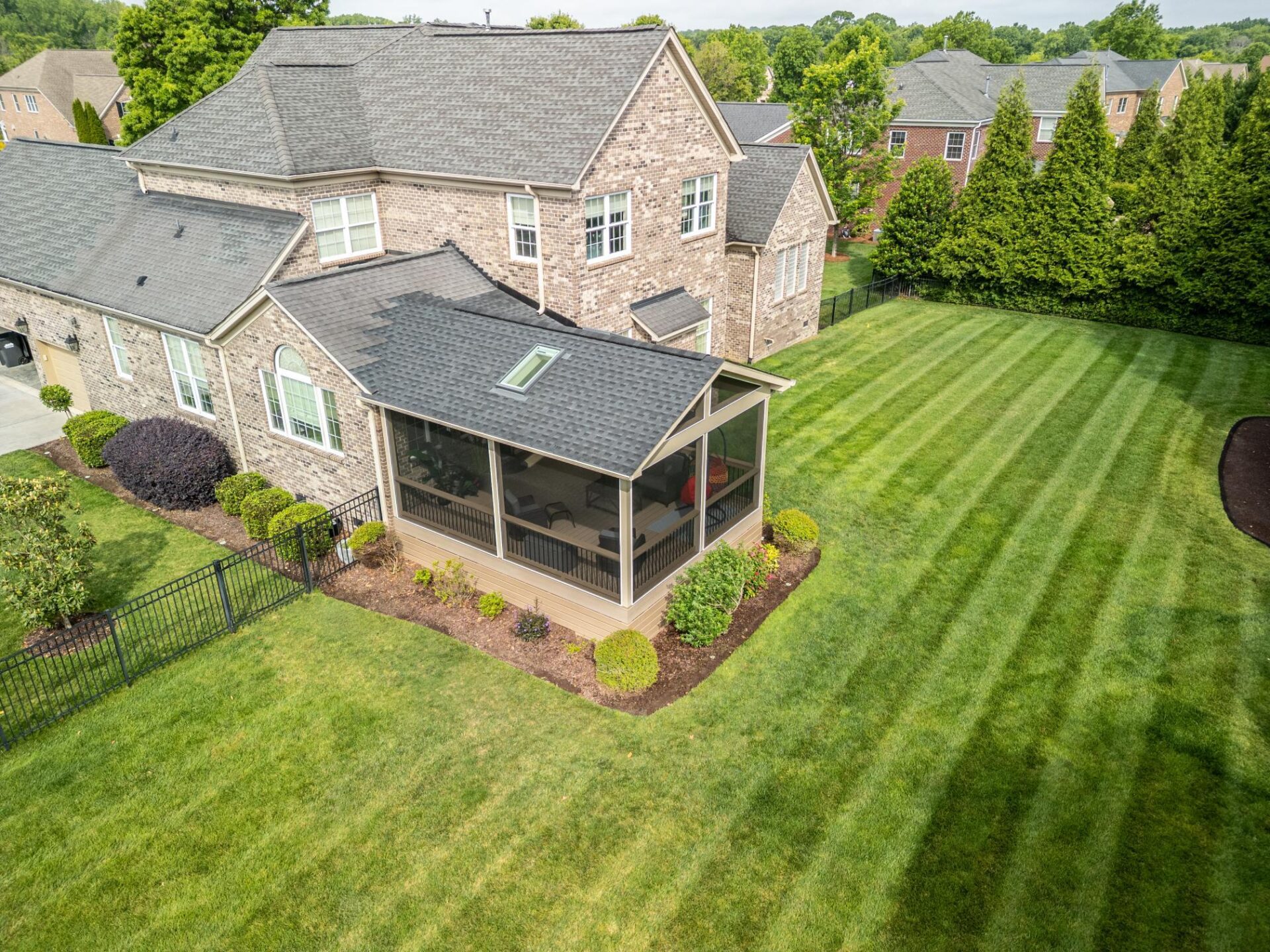
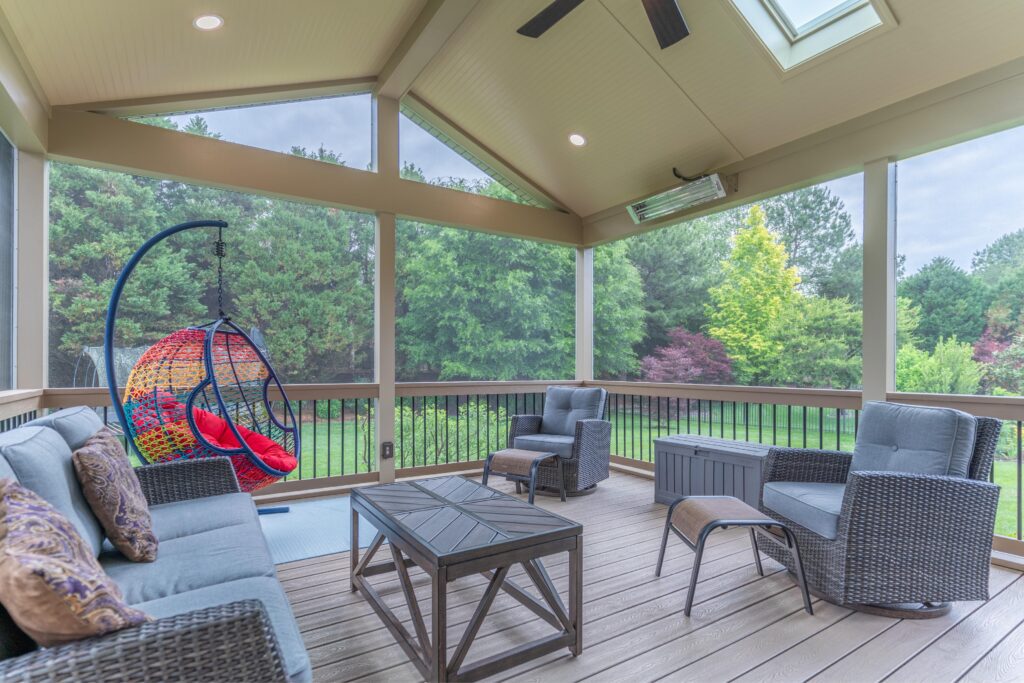
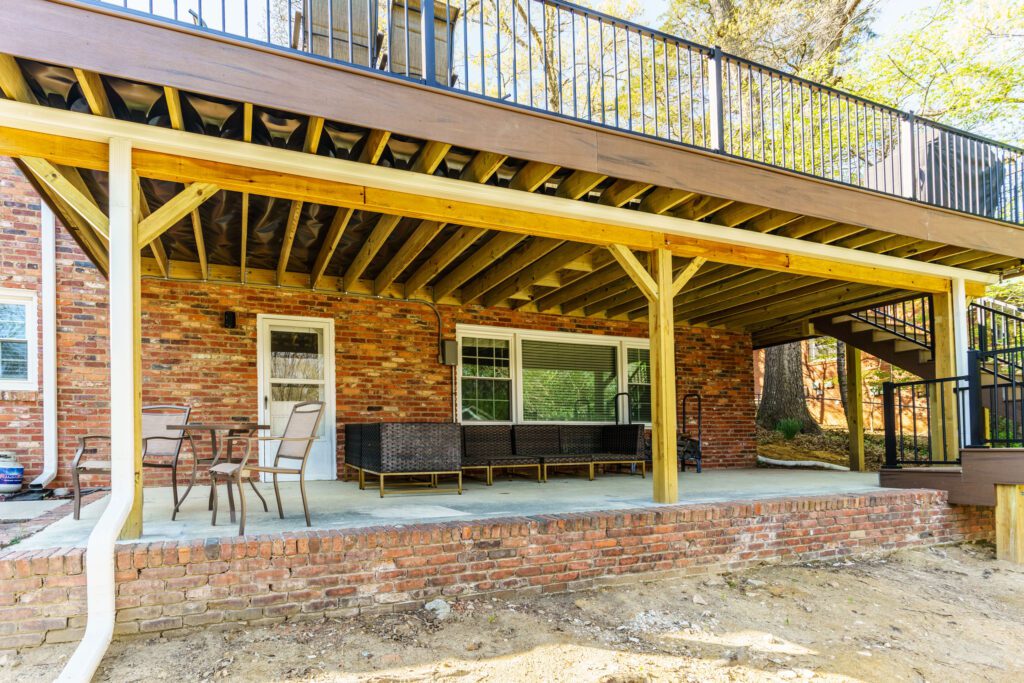
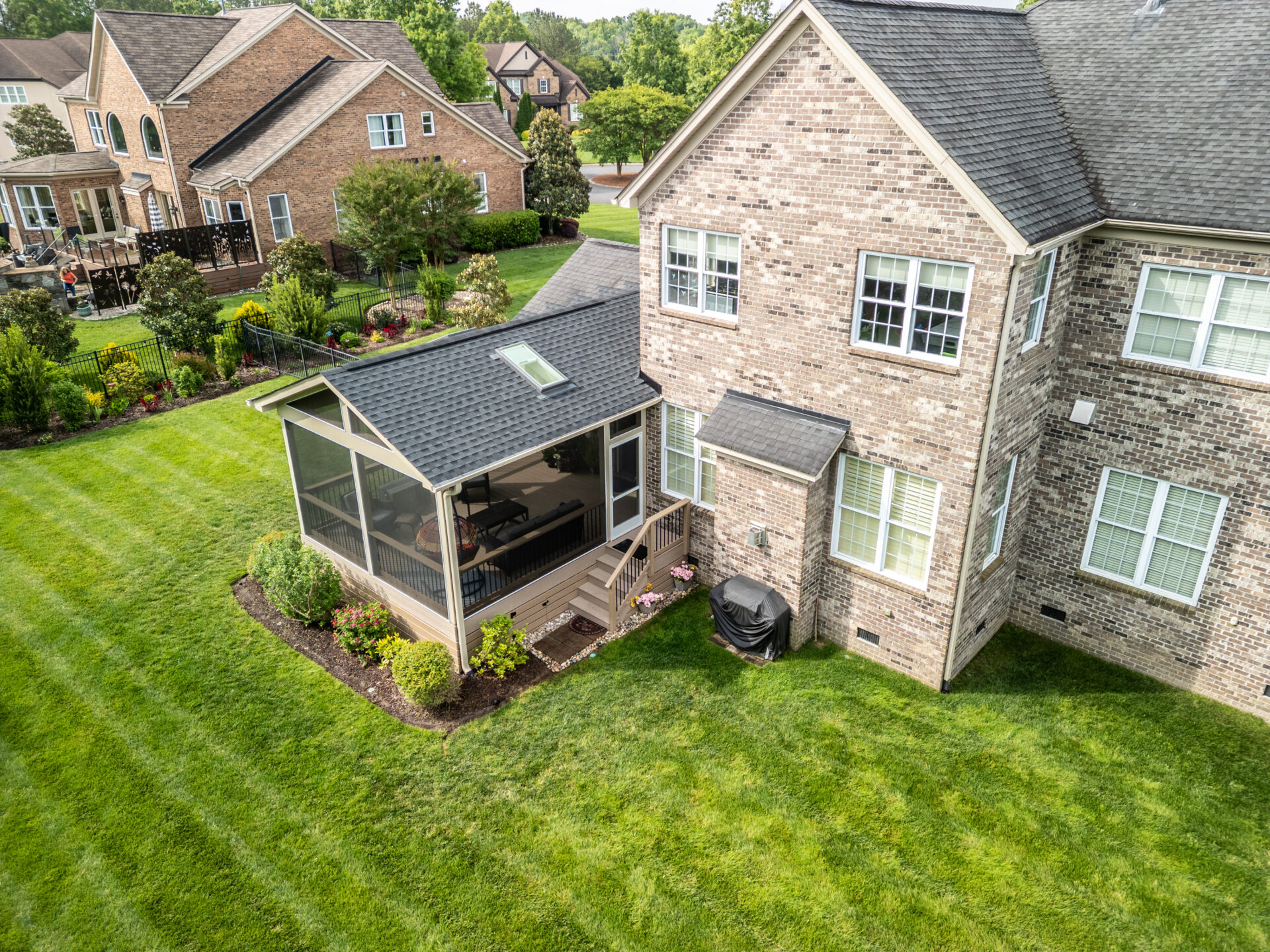
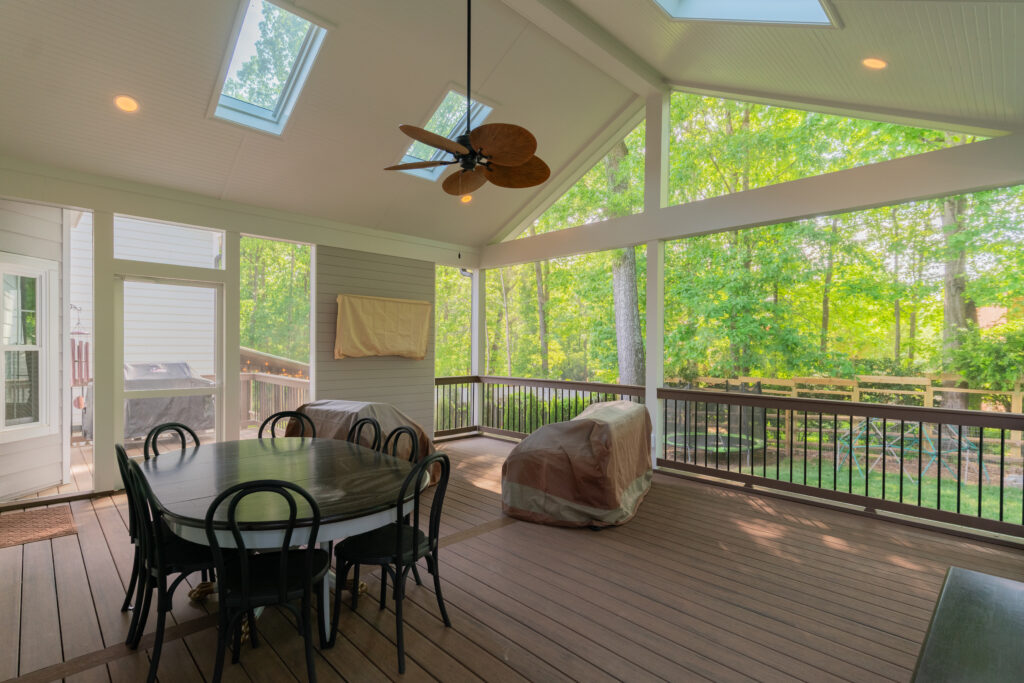
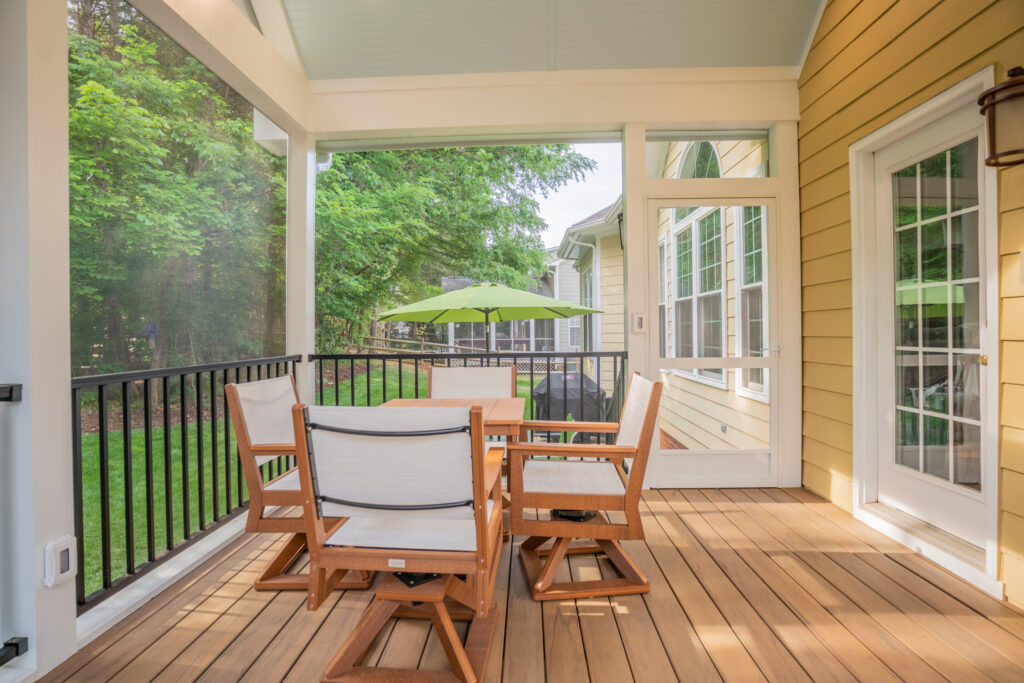
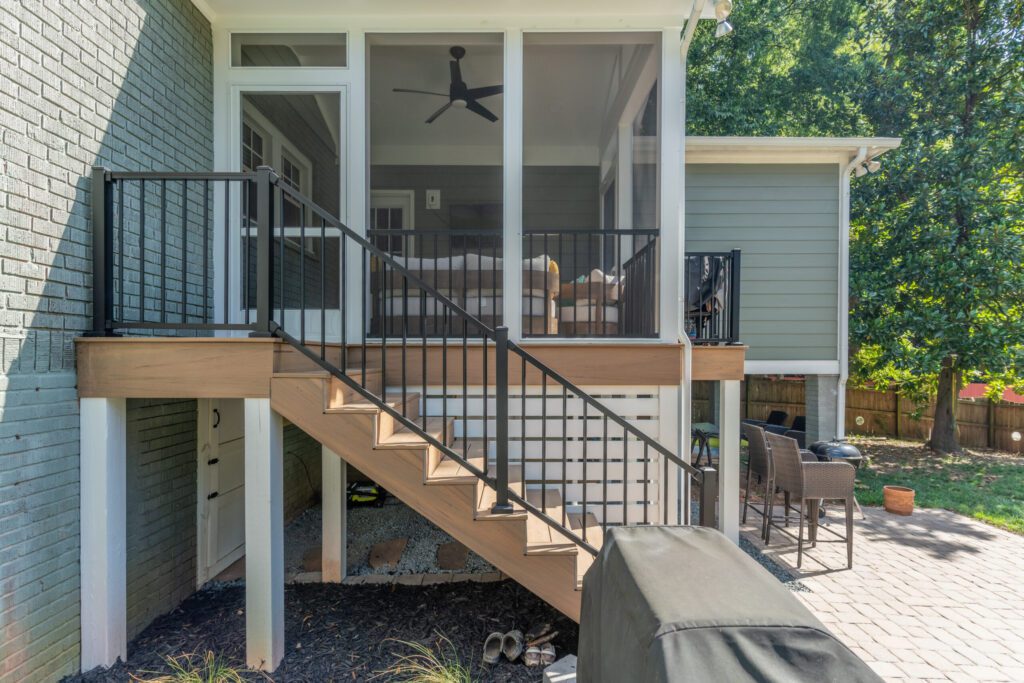
If you have a screened porch, use it. It becomes the quiet room, cooler, bug-free, and a natural gathering spot for guests who want a real conversation without competing with the crowd. A screened outdoor living space earns its keep on a day like this.


The One Thing Most Charlotte Hosts Forget: Shade and a Rain Backup

This is the one that catches people off guard every year. Charlotte’s May afternoons can reach the mid-80s, and late-day pop-up storms are a real feature of spring in the Carolinas, not a rare exception.

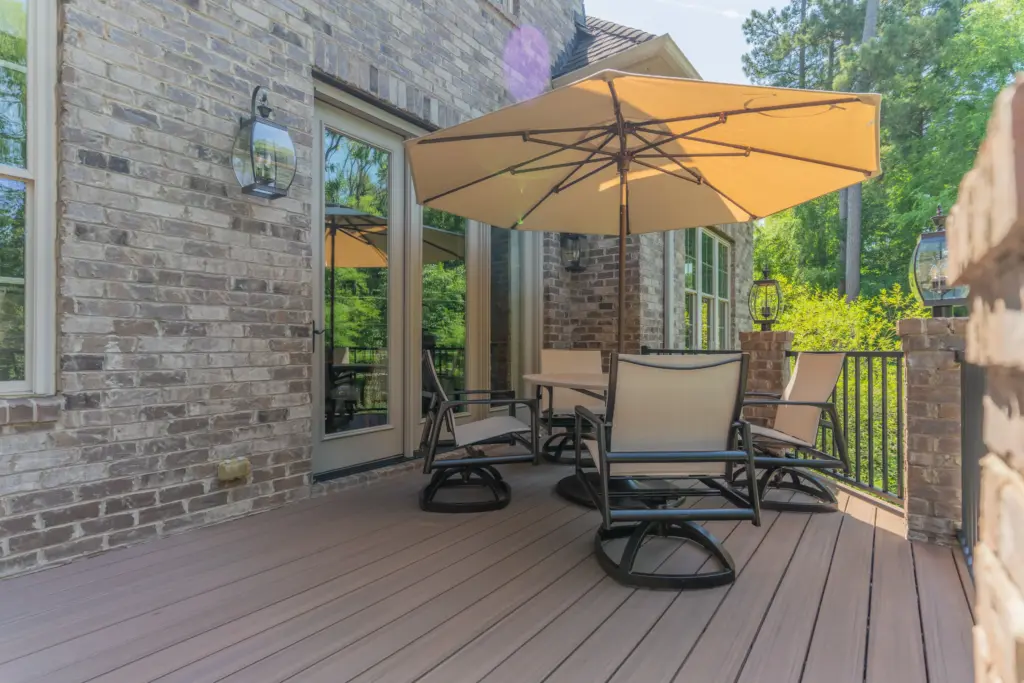
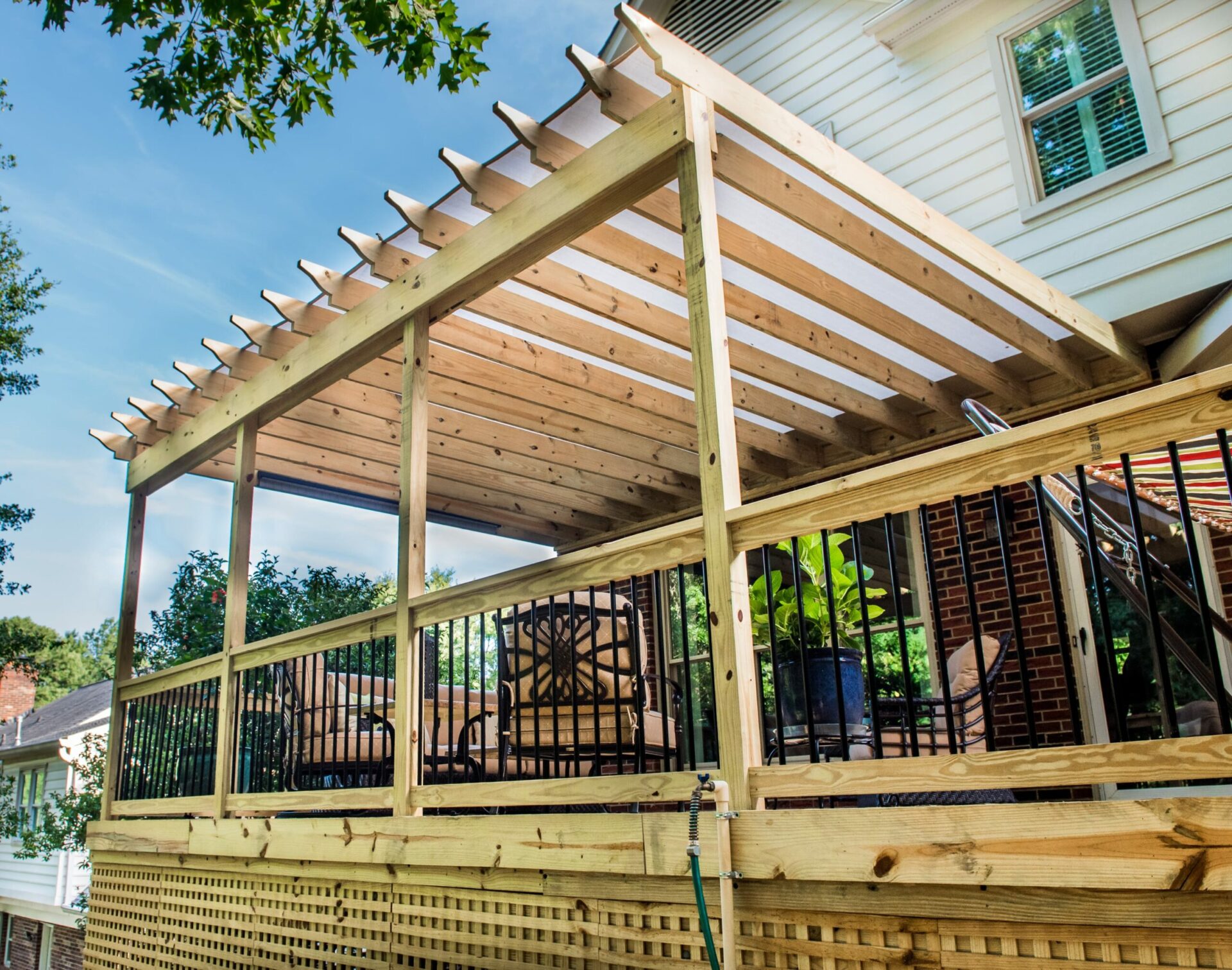
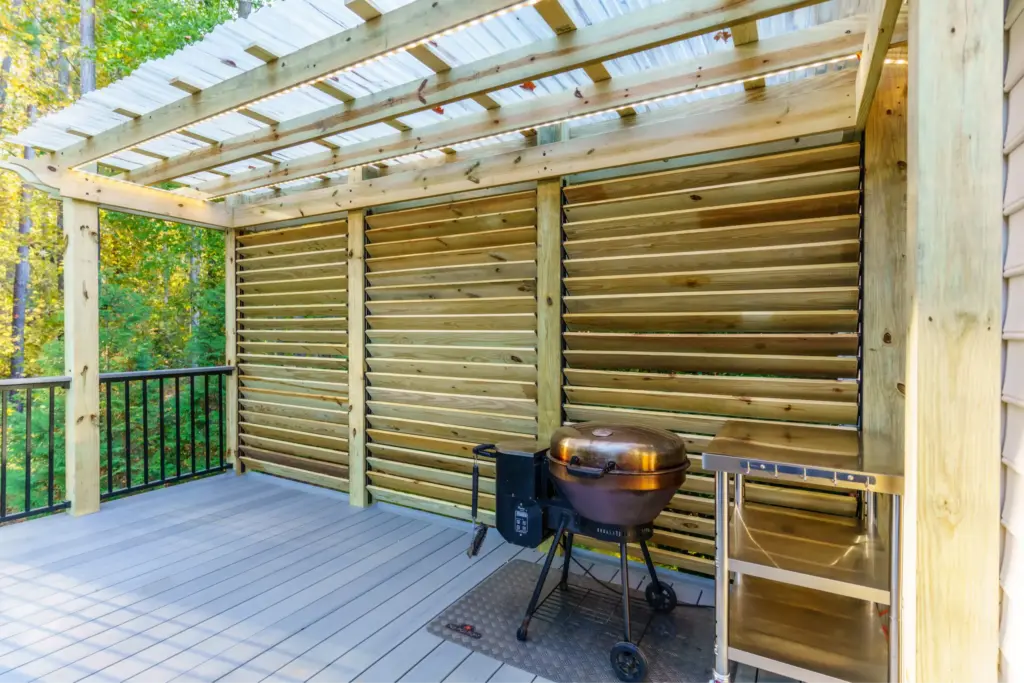
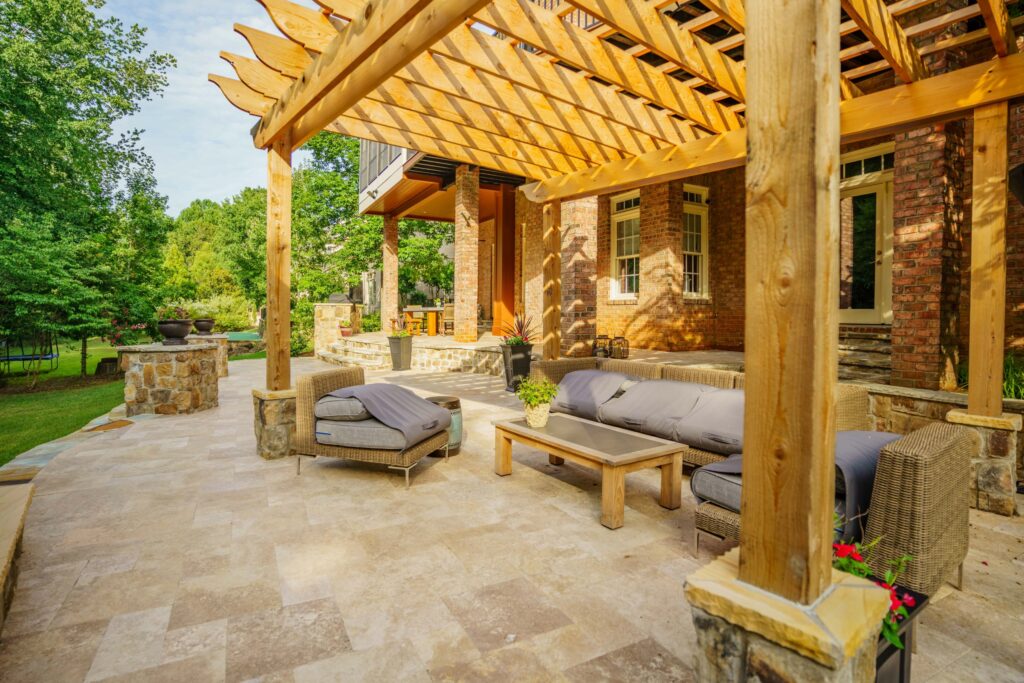
Shade matters more than most hosts plan for. A covered structure (a pergola, a porch roof, even a well-positioned sail shade) keeps the food table out of direct sun and gives older guests a place to sit comfortably without retreating inside.

For rain, have a plan before the day arrives. A covered outdoor space means the party continues regardless of what rolls through. If you don’t have a permanent covered structure, rent a 20×20 canopy tent and set it up the day before, not the morning of, so you’re not scrambling while guests are arriving. Position it to preserve the natural flow between your deck and the yard rather than blocking it.


Making Your Deck Work for a Crowd

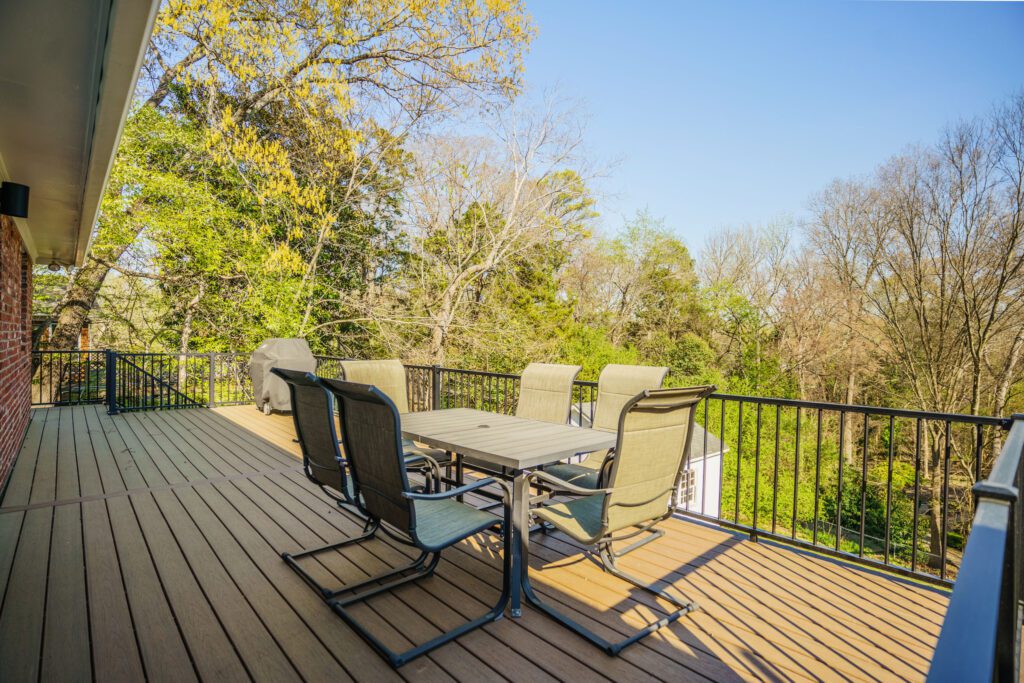
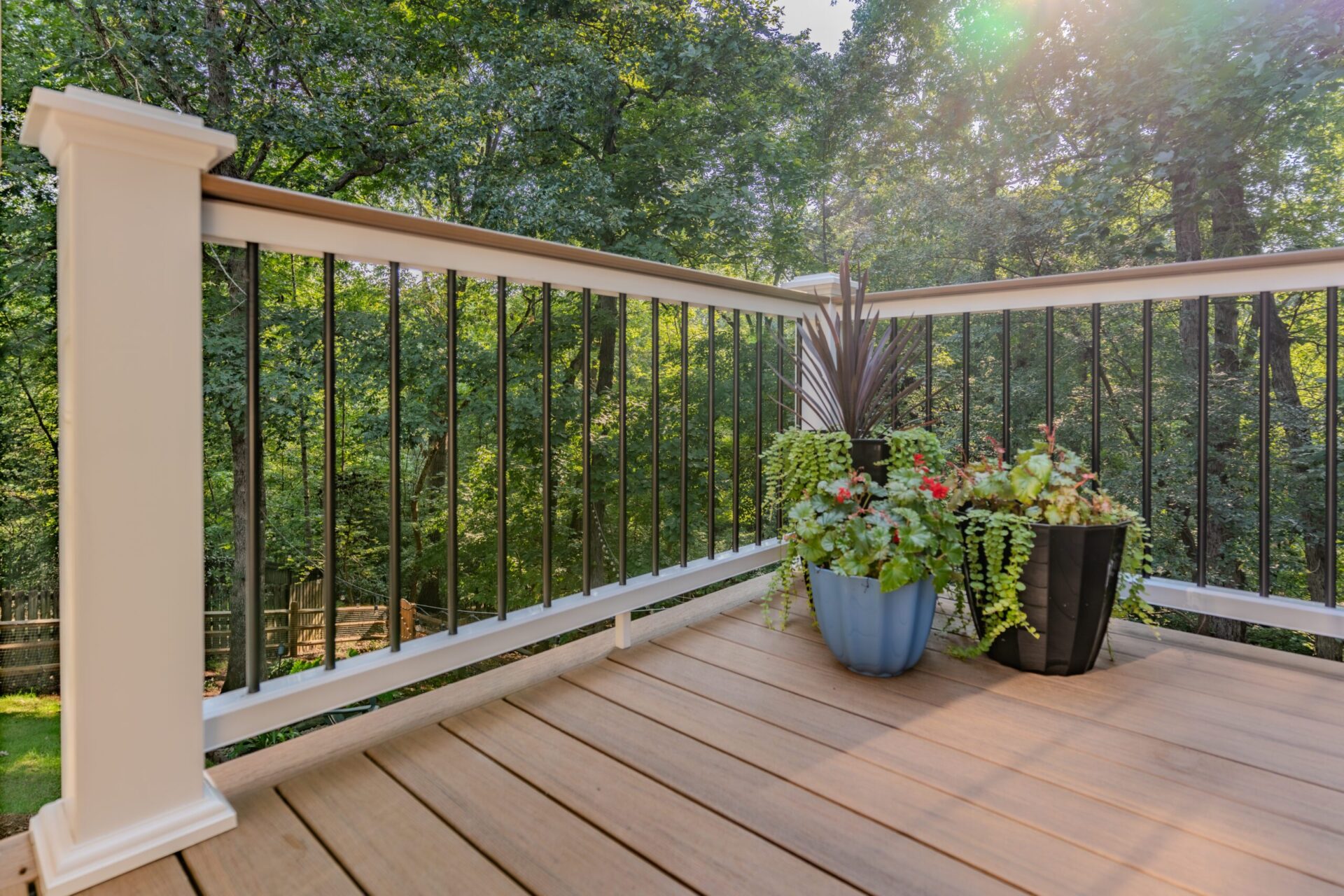
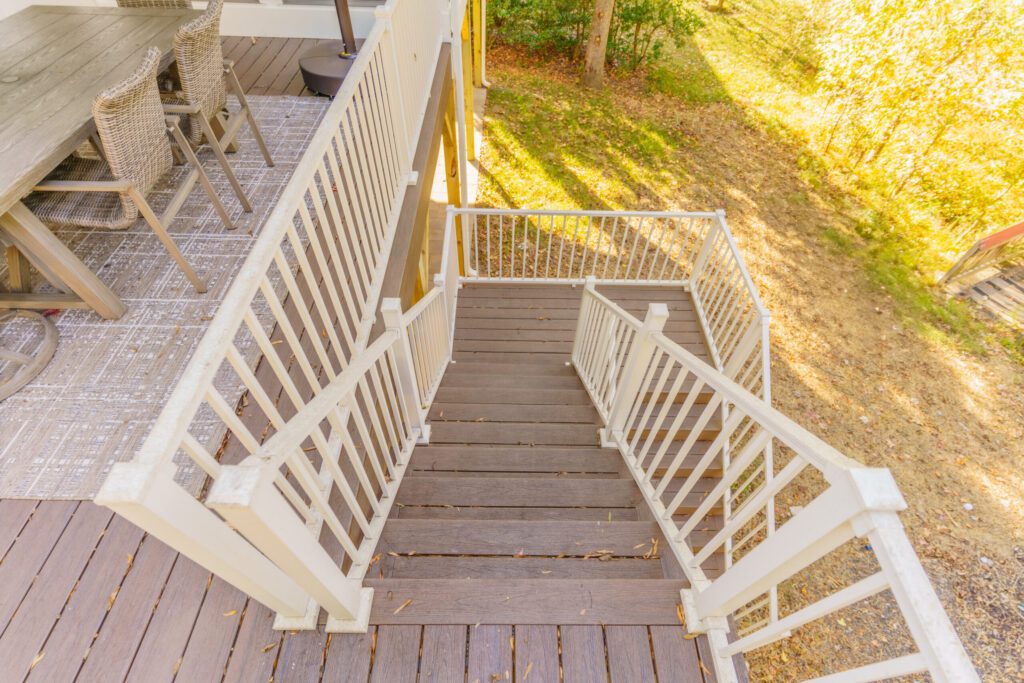
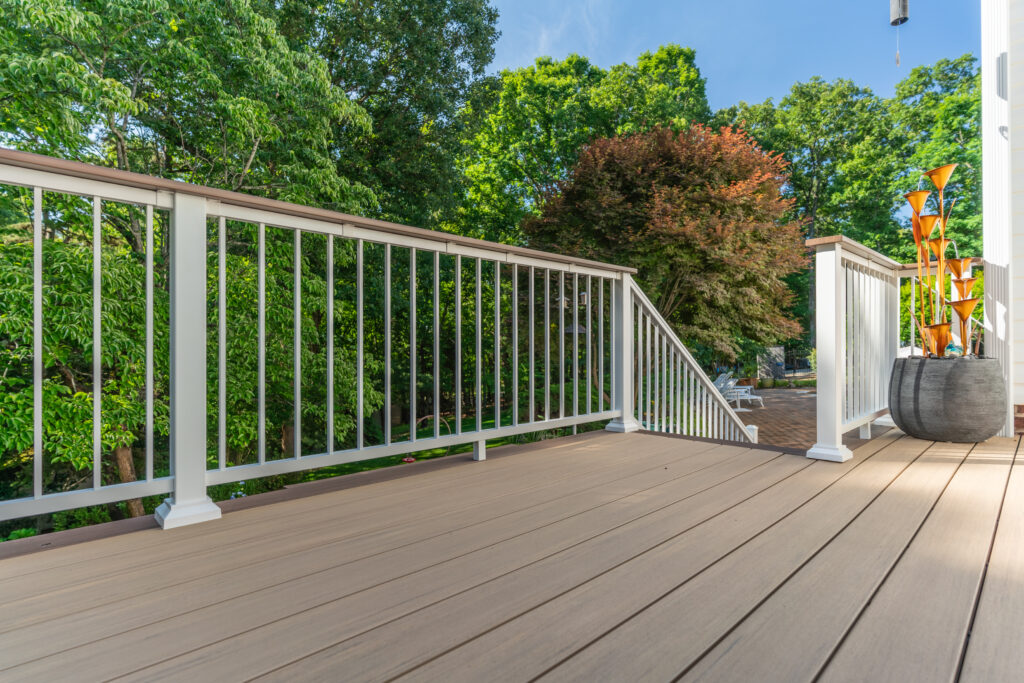
A deck that comfortably seats eight can accommodate twenty or more people when it’s set up right. Clear the furniture you don’t need. A custom deck with open railing and clean sightlines feels expansive with people on it; one that’s crowded with patio sets feels cluttered.

A few details that make a real difference:

  • String lights run along a pergola or railing immediately shift the atmosphere as the evening moves in. It’s the single highest-return detail for an outdoor party.
  • An outdoor rug anchors the seating area and signals intention. A rug makes the space feels designed rather than assembled.
  • Flow from the kitchen matters more than most hosts realize until they’re on their fourth trip across the yard carrying a tray. The fewer steps between food prep and the serving table, the better your experience as a host.

This Might Be the Year

If you’re deep in graduation party planning right now, there’s a good chance you’ve already had the thought: This backyard could be so much more than this.

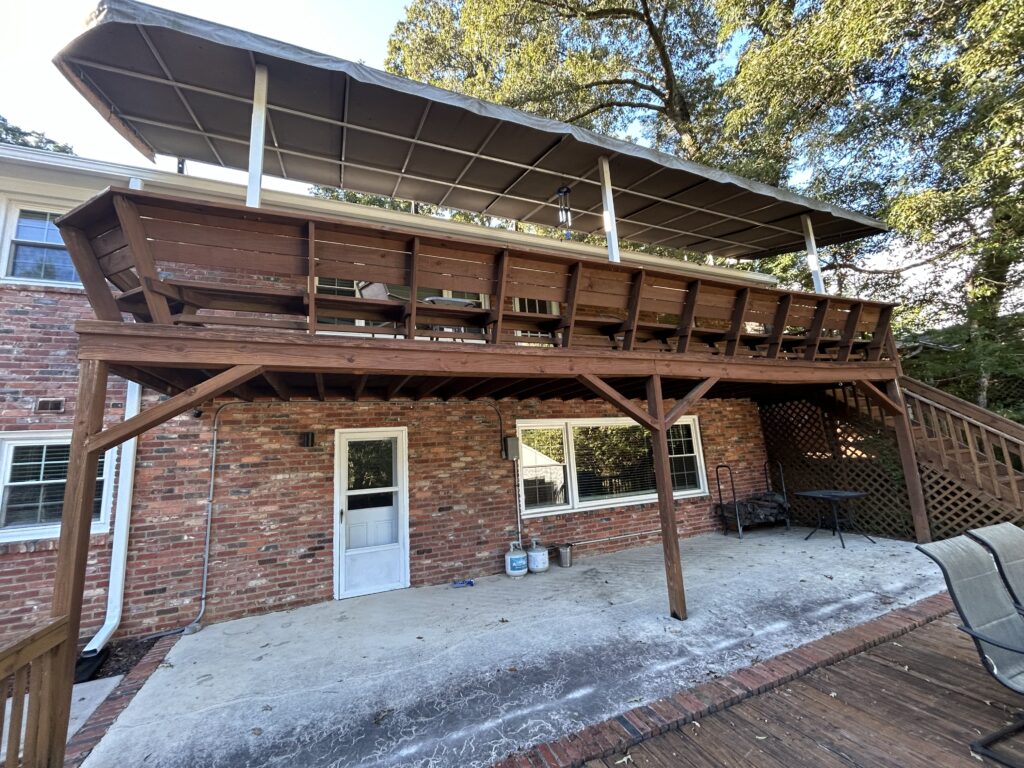
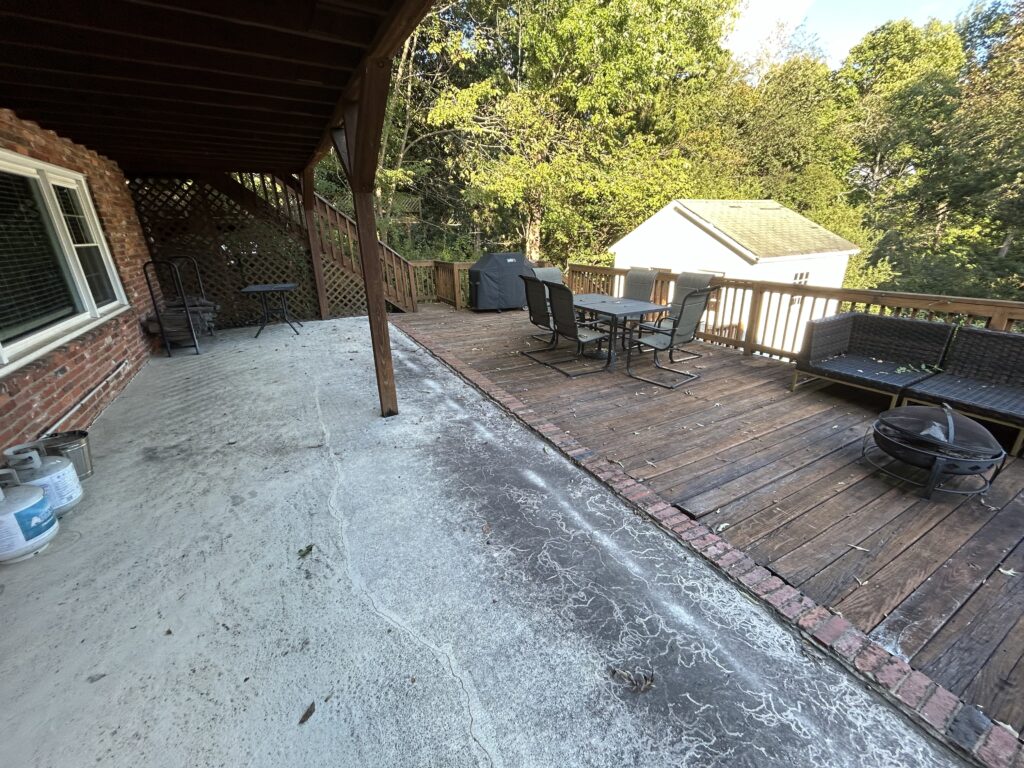
Maybe it’s watching guests bunch up on a small concrete slab. Maybe it’s realizing a covered pergola would have solved the whole rain problem before it started. Or maybe it’s just standing outside after everyone leaves and thinking next year is my year.

Spring projects booked in April can often be finished before summer. Custom deck builds and screened porch additions take planning, and the best build windows in the Charlotte metro fill up faster than most homeowners expect. You don’t have to watch another season go by from the same backyard.

If you’re thinking about making next year’s party, and next summer’s weekends, look completely different, we’d love to talk. A free estimate takes about 30 minutes, and we’ll give you an honest picture of what’s possible and what it costs.

Book your free estimate here or give us a call at (980) 414-0320. We work with families across Charlotte, Lake Norman, Matthews, and the surrounding communities.

Looking for more design inspiration? Check out our Project Gallery or read our previous post.

The Ledger Board: The Most Important Detail on Your Charlotte Deck

The deck ledger board is where your deck connects to your house and it’s the most common source of deck structural failures nationwide. It’s also the one detail most homeowners never think about until something goes wrong. Here’s what proper ledger board attachment looks like, and the three red flags that mean yours might have a problem.

What the ledger board actually is

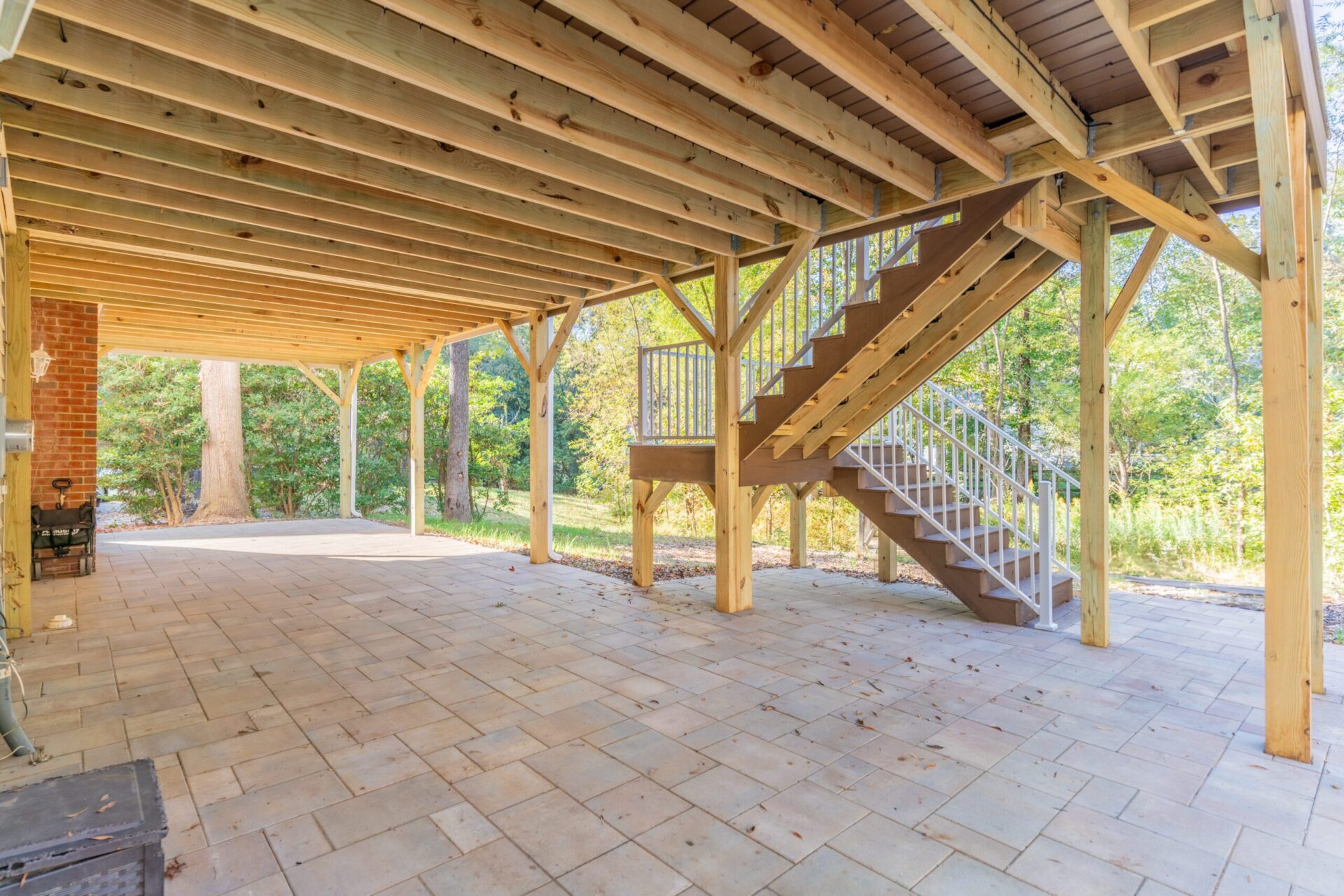
The ledger is a horizontal board that, in most cases, is bolted directly to the rim joist or band joist of your home’s floor framing. It’s one of the primary load bearing structural components of your entire deck as half of everything that deck holds runs through this single connection point.

Incorrectly attached ledgers are responsible for the majority of deck collapses, and the failure is almost always sudden, usually under load (like in the middle of dancing a party). The other challenge: once your decking surface is down, you can’t see the ledger board. Which is exactly why structural integrity at this connection point is worth understanding before the build begins.

What correct ledger board attachment looks like

  • Proper fasteners: Structural screws, lag screws, or lag bolts in a staggered pattern: not nails, not standard deck screws. The fastener choice alone is one of the clearest indicators of build quality.
  • Flashing: Correctly installed Z-flashing, flashing tape, or a proprietary ledger flashing system that directs water away from the house connection. Water damage behind the ledger is one of the leading causes of long-term structural issues, and in Charlotte’s unpredictable rain, this detail protects your investment for the long term.
  • Connection into framing: Fasteners must hit the actual floor framing, not sheathing or siding. An experienced contractor will know to locate the rim joist before installing the ledger board.
  • Code compliance: All county building inspectors will check for correct ledger board attachment and flashing details on every permitted deck. Working within local building codes isn’t just a formality, it’s what ensures the structural soundness of the finished build. Any property owner with a permitted deck will have this detail on record with the building department.
A diagnostic chart for homeowners showing critical safety red flags at the deck ledger connection, including visible rot, nails instead of bolts, and missing flashing.

Three red flags on an existing ledger

  • Visible rot at the connection point. Dark staining, soft wood, or gaps where the deck ledger meets the house are signs that water damage has already set in. This kind of deterioration affects the surrounding structural components quickly.
  • Nails instead of bolts. You can tell by the fastener head pattern. Nails are smooth while lag screws and lag bolts have hex heads. If you see a nail pattern on an older Charlotte deck, that’s worth a closer look.
  • No flashing, or flashing installed incorrectly. If water can get behind the deck ledger, rot follows. This is one of the most common structural issues we see on decks built before current local code requirements.
  • Any lateral movement near the house. Push gently on the deck frame close to where it attaches to the house. It should feel completely solid. Any flex is a sign that the structural integrity of that connection deserves attention.

What to do if you’re concerned

If your deck was permitted and built in the last ten years by a licensed contractor, you’re almost certainly in good shape as local code requires a structural inspection, and an experienced builder knows this detail matters.

If your deck is older, was built without a permit, or is a DIY build, it’s worth having someone take a look. Sometimes it’s a straightforward remedy. A fastener upgrade or flashing correction can restore structural soundness without a full rebuild. A NADRA-certified deck design and inspection professional can give you a thorough evaluation, document what they find, and walk you through your options.

But here’s the truth most homeowners don’t always want to hear: an older deck with a compromised ledger isn’t always a candidate for a targeted repair. By the time the structural issues are visible, the substructure, joists, and fasteners have typically aged right alongside it. At that point, the smarter conversation is often about what a thoughtfully designed new deck would look like and what it would cost. A licensed inspector or home inspector with deck experience can tell you honestly which situation you’re in.


Have a professional come evaluate your deck and give you an informed answer. It may be that some targeted repairs can correct the issue or it may be time for a new build. Either way, you’ll know exactly which direction makes sense for your home.

And if it’s time for a replacement, we’ll walk you through every step. We serve Charlotte, Ballantyne, Steele Creek, Huntersville, Waxhaw, and surrounding communities. Get an estimate for a new build or call us at (980) 414-0320.

Looking for inspiration? Check out our Project Gallery or read our previous blog post.
Hidden Fasteners vs Face Screws: What the Best Charlotte Decks Have in Common

Face Screws or Hidden Fasteners: Here’s the Difference

Every deck board has to be anchored to the joists beneath it, that’s what keeps the surface stable, safe, and structurally sound underfoot. The question is how, and the answer shapes everything from how the finished surface looks to how the decking material performs over the long term.

  • Face screws go straight through the top of the board and into the joist below, leaving a grid of screw heads visible across the finished surface. It’s structurally sound, but you’re essentially looking at the fastening system every time you step outside.
  • Hidden fasteners work differently. They clip into a grooved edge along each board and are installed from the side, with no hardware visible on the surface. The deck looks the way it was designed to look: clean, uninterrupted, and visually appealing from edge to edge.

Both methods hold the boards securely. The difference is entirely about beauty, longevity, and surface integrity.


The Case for Hidden Fasteners

There’s a reason hidden fasteners have become the standard on quality custom builds and it goes well beyond a great design.

  • A deck surface worth showing off. With no visible hardware, the natural character of your decking material takes center stage. Whether you’re working with composite deck boards, PVC decking, or tropical hardwoods, hidden fasteners let the product speak for itself. That matters when you’ve invested in premium materials.

  • Moisture protection that pays off over 30 years. Every screw hole is a potential entry point for water. In Charlotte, where spring and summer bring consistent rainfall, that’s an important concern. Hidden fasteners eliminate those penetration points entirely, protecting the board from the inside out and when paired with quality corrosion-resistant fasteners, you’ve built something genuinely engineered to last.

  • Warranty compliance. This one surprises a lot of homeowners. Composite decking manufacturers, including industry leaders like TimberTech and Trex, typically recommend or even require hidden fasteners as part of their product specifications in order to maintain full warranty coverage. If your contractor is installing composite deck boards with face screws as the default, the warranty on that material may be void before the first season is over. 

    As a TimberTech Platinum contractor, their highest certification tier, Carolina Decks is trained on their full product line and know exactly which fastener systems keep that warranty intact. We install CAMO hidden fastener systems as our standard: a purpose-built clip engineered specifically for grooved composite and hardwood boards. For us, fasteners are not an afterthought, they’re essential to a system designed to work with the decking, not just against the joist.

  • Room to breathe. Hidden fasteners allow decking boards to expand and contract naturally. And in Charlotte, where summers are long and humid and temperatures swing dramatically between seasons, that movement is real. Screw holes create stress concentration points that lead to cracking and splitting over time. Eliminate the holes, and you extend the life and wear resistance of the surface considerably.

  • Curb appeal that you actually live in. Homes with hidden fastener decks consistently photograph better, show better, and signal quality to anyone who knows what they’re looking at. Which is great if you ever sell, but honestly, it matters more on a Saturday afternoon when you’re out there living in it.

When Face Screws Are the Right Call

We believe in being straight with you, and the truth is, face screws aren’t always the wrong answer.

Repairs and board replacement on existing decks. Hidden fastener systems make it significantly harder to remove and replace individual boards. If you’re patching into an older deck rather than doing a full custom build, face screws give you flexibility.
Pressure treated lumber with a painted or stained finish.When treated wood is getting a solid surface finish anyway, the hardware disappears under the coating. In those situations, hidden fasteners can add cost without a visible return.
Complex geometries.Tight radius cuts, unusual angles, or intricate patterns can be more practical to execute with face screws. A skilled contractor will tell you when the design calls for it.
Budget-first builds. Hidden fasteners typically add $1–3 per square foot in material and labor. For homeowners prioritizing a long-term investment, that’s an easy decision. Face screws remain a practical choice for simpler builds and are the more budget-friendly option for projects where finish takes a back seat to function.
The key is that the choice should always be intentional, made based on your specific project, your materials, and your goals, not just defaulted to because it’s faster.

The key is that the choice should always be intentional, made based on your specific project, your materials, and your goals, not just defaulted to because it’s faster.


What to Ask Your Contractor

Before you sign anything, these questions will tell you a lot about who you’re working with.

  1. “What fastener system do you use as your standard?” A quality contractor has a preference and a reason for it. Vague answers here are a yellow flag.
  1. “Does the decking manufacturer recommend hidden fasteners for this product?” If the answer is yes and the contractor is proposing face screws anyway, ask why. A quality contractor should have a clear, legitimate reason.
  1. “Will my warranty be affected by the fastener choice?” This is a real and important question for any composite or PVC decking product. 
  1. “What fastener system are you using and is it engineered for this specific decking product?” Not all hidden fasteners are created equal. We use CAMO clip systems precisely because they’re designed to work with grooved composite and hardwood boards, not generic hardware that happens to be out of sight.

If a contractor is proposing composite decking with face screws as the default and can’t give you a clear reason why, push back. It’s almost always the wrong call for a long-term investment.


Hidden fasteners are one of those details that separates a deck that looks great in year one from one that still looks great in year ten. At Carolina Decks, we’d love to walk you through the materials and methods we use on every build and show you the difference in person.

Ready to talk through your project? We start with a conversation: no obligation, no site visit until you’re ready. Schedule a call with our team and we’ll walk you through materials, design options, and what a Carolina Decks build actually looks like from start to finish.

Looking for inspiration? Check out our Project Gallery or read our previous blog post.
Why Charlotte Homeowners Are Adding Custom Patio Covers to Their Decks

There’s a reason outdoor living is one of the most sought-after upgrades among homeowners in the Charlotte metro area. Our climate begs for it with mild winters, long springs, and warm evenings that practically pull you outside. The question isn’t whether to invest in your outdoor space. It’s how to design it so you can actually use it.

A custom patio cover is one of the most impactful additions you can make to an existing deck. It’s the difference between a space that’s occasionally pleasant and one that becomes the true heart of your home: functional, beautiful, and tailored specifically to how you live.

Here’s why Charlotte homeowners are making this investment, and what to consider when designing your own.

How a Patio Cover Enhances Your Outdoor Living

1. Comfort & Relief from Intense Sunlight

Charlotte summers are gorgeous, but they can be relentless. A well-designed patio cover creates a shaded outdoor retreat that makes al fresco dining and entertaining comfortable well past noon. More importantly, it extends your usable season in both directions so you’re outside earlier in spring and later into fall, without the sun or a passing afternoon shower cutting things short.

This isn’t just about comfort. It’s about getting the most return from one of your home’s most valuable assets.

An aerial top-down view of a luxury wood-framed patio cover protecting an outdoor living space with a sofa, fireplace, and deck overlooking a swimming pool.

2. A True All-Weather Gathering Space

There’s something quietly wonderful about sitting under a covered porch during a Carolina rainstorm, coffee in hand, watching the rain hit the yard. That experience doesn’t happen on an open deck. A covered outdoor space creates an environment where impromptu gatherings don’t get rained out, where weekend mornings stretch a little longer, and where the line between inside and outside becomes delightfully blurred.

3. Elevates Your Home’s Design and Resale Value

In the Charlotte real estate market, outdoor living space is a legitimate selling point and a custom patio cover signals quality construction to any discerning buyer. When designed to complement your home’s roofline, trim, and materials, a covered deck doesn’t look like an addition. It looks intentional. It looks like it was always there.

That design cohesion is something Carolina Decks takes seriously on every project. The goal is never a structure that feels out of place, it’s one that makes your entire home look better.

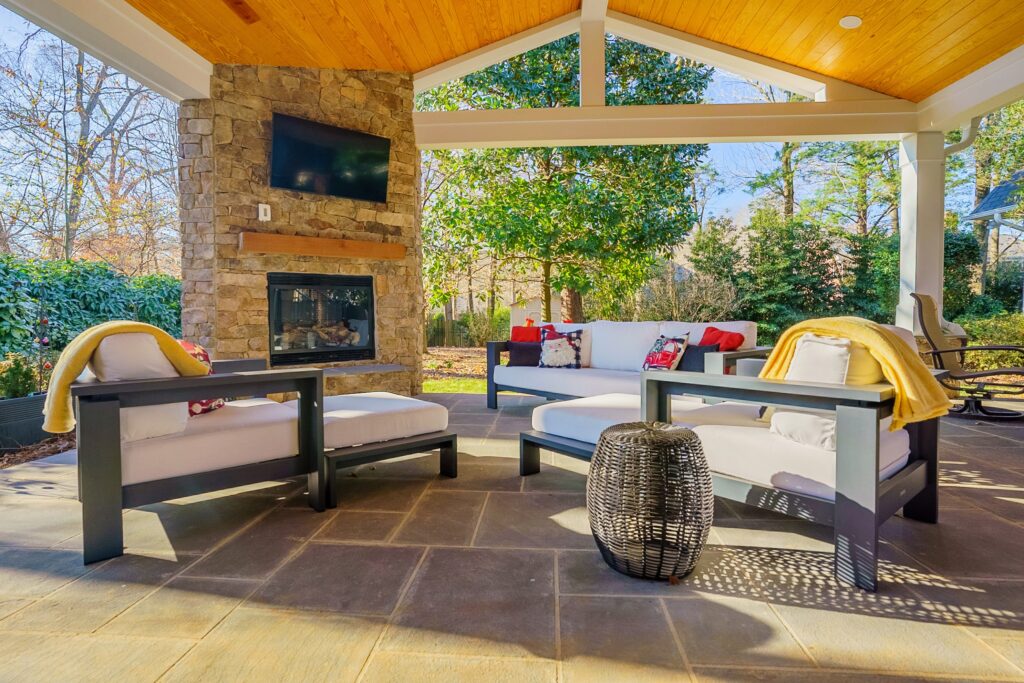
Luxury covered patio featuring a rustic stone fireplace with mounted TV, wood ceiling, and comfortable outdoor lounge chairs.

4. Unlocks Premium Outdoor Features

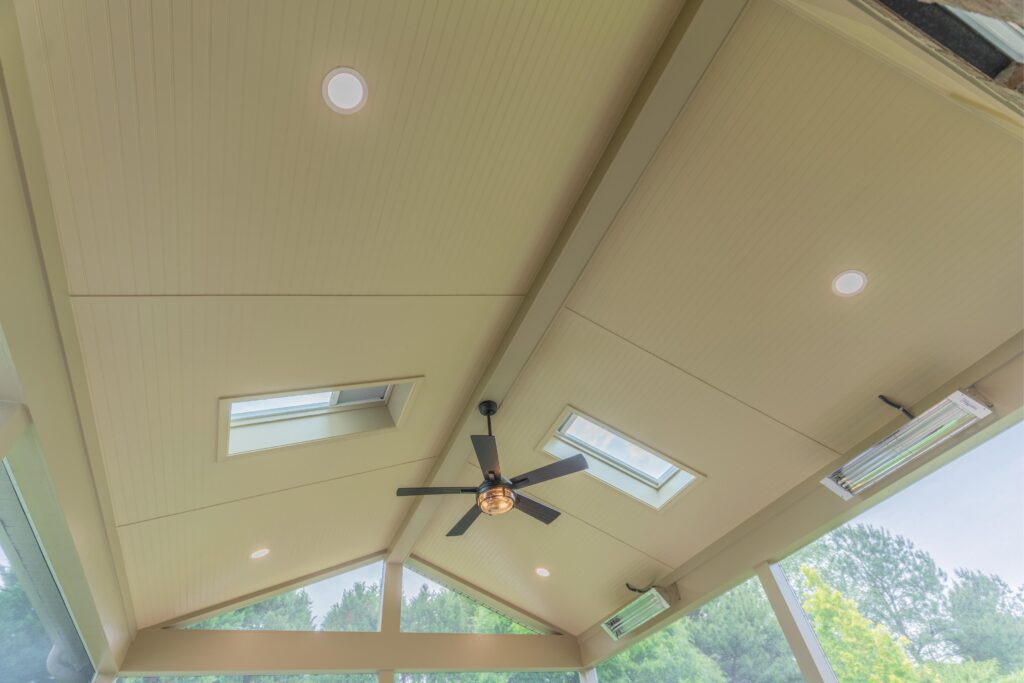
A covered structure gives you something an open deck simply can’t: a stable, weather-protected environment for elevated features. Recessed lighting and ceiling fans become practical, not just decorative. A wood-burning or gas fireplace suddenly makes sense. An outdoor kitchen, complete with built-in appliances, countertops, and a dining area, becomes a genuine possibility rather than a wishful thought.

This is where design really comes into its own. The patio becomes the architectural anchor that ties the entire outdoor space together.

5. Extends The Lifespan Of Your Furniture

Homeowners who invest in high-quality outdoor furniture such as teak dining sets, weather-resistant upholstered seating, and custom cushions deserve to protect that investment. UV exposure fades and degrades materials faster than most people realize, and moisture does the rest. A solid patio cover dramatically reduces wear and opens up your options. Pieces that would suffer in full exposure can live beautifully underneath a well-crafted roof structure.

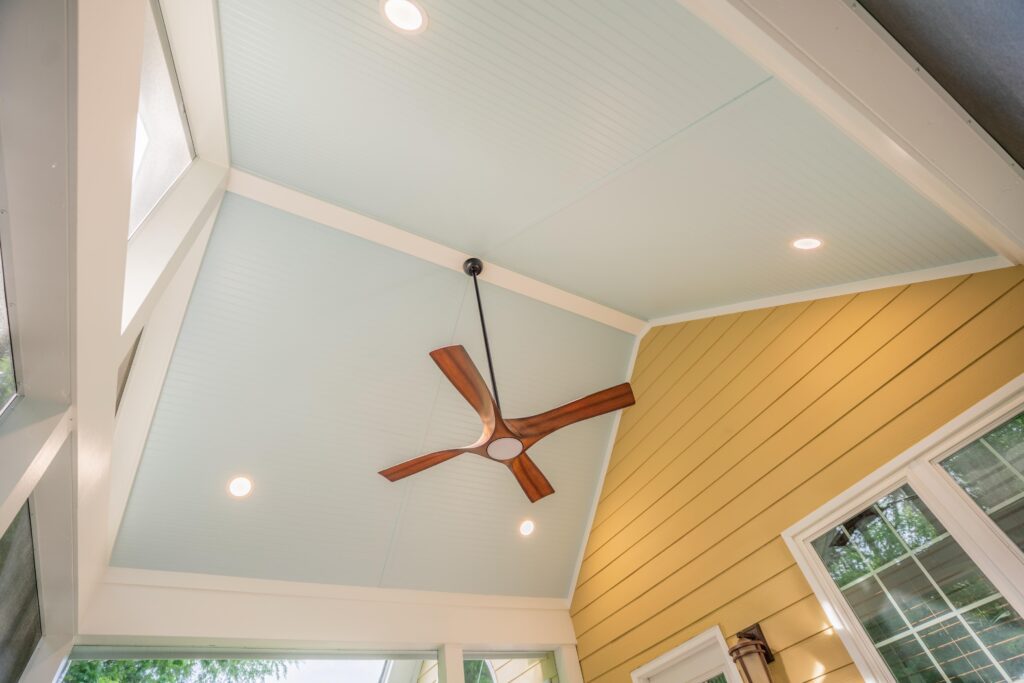
Modern white patio cover design with an integrated skylight, light blue beadboard ceiling, and a wooden ceiling fan.

6. Where Your People, and Your Pets, Actually Want to Be

Ask any family in the Charlotte area where they actually end up on a Saturday afternoon, and the answer is usually somewhere between inside and outside. A covered deck gives that instinct a proper home. It’s shaded enough for the kids to play without you worrying about the sun, open enough that they can dart into the yard and back without tracking the whole outdoors through your kitchen. It’s where the birthday party migrates after the cake, where homework somehow gets done better, and where the dog finally has a spot that’s clearly theirs.

For households with pets, the covered porch is genuinely transformative. Dogs who overheat in direct sun get a shaded retreat that keeps them outside with the family. Water bowls don’t bake and pet beds don’t mildew from dew.

Expansive covered outdoor living space with flagstone pavers and white columns overlooking a lakeside dock.

7. When You’re Already a Few Steps from Something Beautiful

Charlotte and its surrounding communities sit in some genuinely spectacular geography. If your backyard meets a tree line, backs up to a creek, or puts you within walking distance of a lake or dock, your outdoor space isn’t just a patio, it’s a front-row seat. A custom patio cover honors that.

Rather than retreating inside when conditions aren’t perfect, you stay. You have morning tea with the mist still sitting in the tree canopy. You watch the water from a dry seat after an afternoon storm rolls through. The covered deck becomes the transition point, the place where the comforts of your home extend outward toward the landscape you chose this property for in the first place.

This is especially true for homeowners on Lake Norman, the Catawba River corridor, or the wooded lots throughout Weddington, Marvin, and Waxhaw. The investment in a well-designed covered structure isn’t separate from the natural setting, it’s what finally lets you live in it.

High-pitched white gable patio cover addition over a grey composite deck with outdoor dining and seating areas.

Ready to Design Your Covered Outdoor Space?

At Carolina Decks, we’ve been designing and building custom decks and outdoor living spaces throughout the Charlotte metro from South Charlotte and Ballantyne to Lake Norman and Matthews for over a decade. Every project starts with understanding how you want to live in your space, and ends with a structure built to last.

If you’ve been thinking about adding a patio cover to your existing deck, or designing a new covered structure from the ground up, we’d love to talk through the possibilities. Request an estimate from our expert team today to get started on your project! Call us now (980) 414-0320 to get a quote.